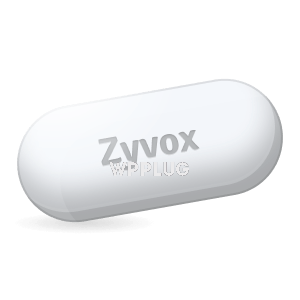
| Product dosage: 600mg | |||
|---|---|---|---|
| Package (num) | Per pill | Price | Buy |
| 30 | $7.46 | $223.75 (0%) | 🛒 Add to cart |
| 60 | $7.11
Best per pill | $447.51 $426.34 (5%) | 🛒 Add to cart |
Synonyms | |||
Zyvox: Potent Gram-Positive Antibiotic Treatment
Zyvox (linezolid) is a synthetic antibacterial agent of the oxazolidinone class, specifically indicated for the treatment of certain severe Gram-positive bacterial infections. It represents a critical therapeutic option, particularly in cases involving multidrug-resistant pathogens such as methicillin-resistant Staphylococcus aureus (MRSA) and vancomycin-resistant Enterococcus faecium (VRE). Its unique mechanism of action inhibits bacterial protein synthesis at an early stage, a target site distinct from other antimicrobial classes, thereby minimizing cross-resistance. This profile provides a comprehensive overview for healthcare professionals considering its use in clinical practice.
Features
- Active Ingredient: Linezolid
- Pharmacologic Class: Oxazolidinone antibiotic
- Available Formulations: Film-coated tablets (600 mg), Oral suspension (100 mg/5 mL), Intravenous injection (2 mg/mL)
- Mechanism of Action: Binds to the 50S subunit of the bacterial ribosome, preventing the formation of a functional 70S initiation complex, which is essential for bacterial protein synthesis.
- Spectrum of Activity: Bacteriostatic against enterococci and staphylococci; bactericidal against most strains of streptococci.
- Bioavailability: Approximately 100% following oral administration, allowing for seamless IV-to-oral transition.
Benefits
- Provides a potent therapeutic option for complicated skin and skin structure infections, hospital-acquired and community-acquired pneumonia, and vancomycin-resistant enterococcal infections.
- Offers excellent oral bioavailability, facilitating early discharge from inpatient settings and enabling effective outpatient parenteral antibiotic therapy (OPAT) alternatives.
- Demonstrates reliable in vitro activity against resistant Gram-positive pathogens, including MRSA, VRE, and penicillin-resistant Streptococcus pneumoniae (PRSP).
- Its novel mechanism of action reduces the potential for cross-resistance with other antibiotic classes, making it a valuable agent in antimicrobial stewardship programs.
- The availability of both IV and oral formulations supports flexible and individualized patient treatment plans.
Common use
Zyvox is approved for the treatment of adults and specific pediatric populations with the following infections caused by susceptible strains of designated microorganisms:
- Complicated skin and skin structure infections (cSSSI): Including diabetic foot infections without concomitant osteomyelitis, caused by Staphylococcus aureus (methicillin-susceptible and -resistant strains), Streptococcus pyogenes, or Enterococcus faecalis (vancomycin-susceptible strains only).
- Vancomycin-resistant Enterococcus faecium (VRE) infections.
- Hospital-acquired pneumonia (HAP) and Community-acquired pneumonia (CAP) caused by Staphylococcus aureus (methicillin-susceptible and -resistant strains) or Streptococcus pneumoniae (including multidrug-resistant strains [MDRSP]).
- Uncomplicated skin and skin structure infections caused by Staphylococcus aureus (methicillin-susceptible strains only) or Streptococcus pyogenes.
Its use should be reserved for situations where its unique spectrum is necessary to avoid the rapid development of resistance.
Dosage and direction
Dosing is consistent for both oral and intravenous administration due to complete oral bioavailability.
- Adults and Adolescents (12 years and older): 600 mg administered intravenously or orally every 12 hours.
- Pediatric Patients (birth through 11 years): 10 mg/kg intravenously or orally every 8 hours.
- Duration of Therapy: The duration of treatment is based on the site and severity of infection and clinical response. Typical treatment is 10 to 14 days for most indications, but it can extend to 28 days for VRE infections. Duration should be guided by clinical and microbiological response.
- Administration:
- Tablets: Can be taken with or without food.
- Oral Suspension: Must be reconstituted by the pharmacist. Invert gently to mix before use; do not shake. Administer with an oral dosing syringe.
- IV Infusion: Administer over 30 to 120 minutes. Do not mix with or infuse concomitantly with other drugs. The IV solution is incompatible with amphotericin B, chlorpromazine hydrochloride, diazepam, erythromycin lactobionate, pentamidine isethionate, and phenytoin sodium.
Precautions
- Myelosuppression: Zyvox has been associated with reversible myelosuppression (including anemia, leukopenia, pancytopenia, and thrombocytopenia). Complete blood counts (CBC) should be monitored weekly, especially in patients receiving therapy for longer than 2 weeks, those with pre-existing myelosuppression, those receiving concomitant drugs that may cause bone marrow suppression, or those with chronic infections who have received previous antibiotic therapy.
- Peripheral and Optic Neuropathy: Cases of peripheral and optic neuropathy have been reported, primarily in patients treated for longer than the maximum recommended duration of 28 days. If symptoms of visual impairment or peripheral neuropathy occur, prompt ophthalmic and neurological evaluation is recommended.
- Serotonin Syndrome: Spontaneous reports of serotonin syndrome have been reported in patients receiving linezolid and concomitant serotonergic agents. Use with extreme caution in patients taking SSRIs, SNRIs, TCAs, triptans, or other serotonergic drugs.
- Lactic Acidosis: Lactic acidosis has been reported with the use of Zyvox. Patients who develop recurrent nausea, vomiting, or unexplained acidosis should receive immediate medical evaluation.
- Clostridioides difficile-Associated Diarrhea (CDAD): Antibiotic use can disrupt colon flora and may permit overgrowth of C. difficile. CDAD has been reported with nearly all antibacterial agents and may range in severity from mild diarrhea to fatal colitis.
Contraindications
Zyvox is contraindicated in the following patient populations:
- Patients with known hypersensitivity to linezolid or any other component of the product.
- Patients taking any monoamine oxidase inhibitors (MAOIs) (e.g., phenelzine, isocarboxazid) or within two weeks of taking such drugs.
- Patients with uncontrolled hypertension, pheochromocytoma, thyrotoxicosis, and/or those taking direct- and indirect-acting sympathomimetic agents (e.g., pseudoephedrine), vasopressive agents (e.g., epinephrine, norepinephrine), or dopaminergic agents (e.g., dopamine, dobutamine) due to the potential for pressor response. Exceptions may be made in emergency situations.
Possible side effect
The most common adverse reactions (≥5% of adult patients in clinical trials) include:
- Diarrhea
- Nausea
- Headache
- Vomiting
- Dizziness Other important, but less common, side effects clinicians should be aware of include:
- Thrombocytopenia
- Anemia
- Leukopenia
- Peripheral neuropathy
- Optic neuropathy (sometimes progressing to vision loss)
- Lactic acidosis
- Serotonin syndrome
- Tongue discoloration
- Oral moniliasis (thrush)
- Vaginal moniliasis
- Hypertension
- Insomnia
- Increased liver function tests (ALT, AST, LDH, alkaline phosphatase)
Drug interaction
Zyvox is a reversible, nonselective inhibitor of monoamine oxidase (MAO) and has the potential for interaction with adrenergic and serotonergic agents.
- Serotonergic Agents (SSRIs, SNRIs, TCAs, Triptans, etc.): Risk of serotonin syndrome. Avoid concomitant use unless deemed essential and close observation is possible.
- Adrenergic Agents (Pseudoephedrine, Epinephrine, Norepinephrine, Dopamine): May potentiate the pressor response. Monitor blood pressure and use with caution.
- Tyramine-Rich Foods/Beverages: While a specialized tyramine-free diet is not required, patients should be advised against consuming large amounts of tyramine-rich foods (e.g., aged cheeses, fermented meats, tap beers, soy sauce) as linezolid may enhance the pressor response.
- Other Myelosuppressive Drugs: May have additive effects on hematologic parameters.
Missed dose
If a dose is missed, it should be taken as soon as it is remembered. However, if it is almost time for the next scheduled dose, the missed dose should be skipped, and the regular dosing schedule resumed. Patients should be instructed not to double the dose to make up for a missed one.
Overdose
There is no specific antidote for Zyvox overdose. Reported cases of acute overdose have been limited and associated with mild to moderate adverse events. Treatment should be supportive and symptomatic. Hemodialysis may accelerate elimination of linezolid, as approximately 30% of a dose is removed during a 3-hour dialysis session.
Storage
- Tablets: Store at 20°C to 25°C (68°F to 77°F); excursions permitted between 15°C and 30°C (59°F and 86°F).
- Oral Suspension (prior to reconstitution): Store at 20°C to 25°C (68°F to 77°F).
- Oral Suspension (after reconstitution): Store at room temperature. Use within 21 days. Do not freeze.
- IV Solution: Store IV bags at room temperature. Protect from freezing. Protect from light. Zyvox IV is a single-use solution; any unused portion must be discarded.
Disclaimer
This information is intended for educational purposes for healthcare professionals and is not a substitute for professional medical advice, diagnosis, or treatment. The prescribing physician should be consulted for a complete list of indications, interactions, warnings, and precautions specific to an individual patient. Always refer to the full FDA-approved prescribing information before initiating therapy.
Reviews
(Compilation of expert clinical perspectives from published literature and formulary assessments)
- “Linezolid remains a cornerstone therapy for resistant Gram-positive infections, particularly MRSA and VRE. Its 100% oral bioavailability is a significant advantage for step-down therapy, improving patient quality of life and reducing healthcare costs associated with prolonged IV access.” - Infectious Disease Specialist, Journal of Antimicrobial Chemotherapy
- “While highly effective, the potential for hematologic and neurologic toxicity mandates vigilant monitoring, especially in courses extending beyond two weeks. Its role must be carefully weighed within an institutional antimicrobial stewardship framework to preserve its utility.” - Hospital Formulary Committee Review
- “The drug’s MAOI activity presents a clinically significant interaction profile that requires thorough medication reconciliation and patient counseling. Its use in complex, medicated patients demands a high degree of vigilance.” - Clinical Pharmacist, Pharmacotherapy
- “For diabetic foot infections with a significant Gram-positive component, linezolid provides reliable tissue penetration and efficacy, offering a valuable oral alternative to vancomycin infusion.” - Podiatric Medicine Review