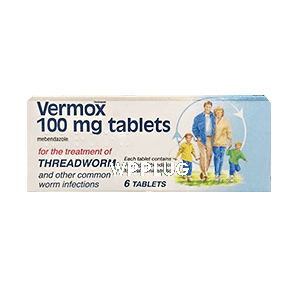
| Product dosage: 100mg | |||
|---|---|---|---|
| Package (num) | Per pill | Price | Buy |
| 90 | $0.50 | $45.26 (0%) | 🛒 Add to cart |
| 120 | $0.46 | $60.35 $55.32 (8%) | 🛒 Add to cart |
| 180 | $0.42 | $90.52 $75.44 (17%) | 🛒 Add to cart |
| 270 | $0.39 | $135.79 $105.61 (22%) | 🛒 Add to cart |
| 360 | $0.38
Best per pill | $181.05 $136.79 (24%) | 🛒 Add to cart |
Synonyms
| |||
Vermox: Effective Treatment for Intestinal Worm Infections
Vermox (mebendazole) is an anthelmintic medication specifically formulated to treat a variety of intestinal parasitic worm infections. As a broad-spectrum anti-worm agent, it works by inhibiting the parasites’ ability to absorb glucose, effectively starving them and leading to their eventual death and expulsion from the body. This medication is recognized worldwide for its efficacy, safety profile, and ease of administration, making it a first-line treatment in both clinical and public health settings. Proper diagnosis and adherence to dosing guidelines are essential for achieving optimal therapeutic outcomes and preventing recurrence.
Features
- Active ingredient: mebendazole 100 mg
- Broad-spectrum activity against common intestinal worms
- Oral chewable tablet formulation
- Suitable for adults and children over 1 year of age
- Single-dose regimen for certain infections
- Available by prescription and over-the-counter in some regions
Benefits
- Effectively eliminates parasitic worms from the gastrointestinal tract
- Helps restore normal nutrient absorption and digestive function
- Reduces symptoms such as abdominal pain, diarrhea, and nausea
- Minimizes risk of complications from chronic parasitic infections
- Supports public health through reduced transmission in communities
- Simple dosing improves treatment adherence and completion
Common use
Vermox is primarily indicated for the treatment of infections caused by intestinal nematodes, including pinworm (Enterobius vermicularis), whipworm (Trichuris trichiura), roundworm (Ascaris lumbricoides), and hookworm (Necator americanus and Ancylostoma duodenale). It may also be used off-label for certain tapeworm infections under medical supervision. Diagnosis should be confirmed through stool examination or other diagnostic methods before initiating treatment.
Dosage and direction
For most intestinal worm infections in adults and children over 1 year:
- Pinworm: 100 mg as a single dose; may repeat after 2–3 weeks if reinfection occurs
- Other worm infections: 100 mg twice daily (morning and evening) for 3 consecutive days
Tablets may be chewed, swallowed whole, or crushed and mixed with food.
Dosage may be adjusted by a healthcare provider based on infection severity and patient factors. A second course of treatment may be necessary if follow-up testing indicates persistent infection.
Precautions
- Inform your healthcare provider of any liver dysfunction prior to use
- Use with caution in patients with inflammatory bowel disease
- Not recommended for children under 1 year due to limited safety data
- Pregnancy Category C: use only if potential benefit justifies potential risk
- Breastfeeding mothers should consult a physician before use
- May cause drowsiness or dizziness; avoid driving or operating machinery if affected
Contraindications
- Hypersensitivity to mebendazole or any component of the formulation
- History of severe hepatic impairment
- Concurrent use with metronidazole (increased risk of Stevens-Johnson syndrome)
- Patients with known or suspected intestinal obstruction
Possible side effects
Common side effects (generally mild and transient):
- Abdominal pain or discomfort
- Diarrhea
- Flatulence
- Nausea
- Headache
- Dizziness
Less common side effects:
- Allergic reactions (rash, itching, swelling)
- Elevated liver enzymes
- Reversible alopecia
- Neutropenia (with prolonged high-dose therapy)
Drug interaction
- Cimetidine: may increase mebendazole plasma concentrations
- Metronidazole: increased risk of severe skin reactions
- Carbamazepine, phenytoin: may decrease mebendazole efficacy
- Theophylline: potential for increased theophylline levels
- Oral anticoagulants: monitor prothrombin time closely
Missed dose
If a dose is missed, take it as soon as remembered unless it is nearly time for the next dose. Do not double the dose to make up for a missed one. Maintain the regular dosing schedule and complete the full course of treatment as prescribed.
Overdose
Symptoms may include gastrointestinal upset, nausea, vomiting, and diarrhea. In cases of significant overdose, neurological symptoms such as dizziness or seizures may occur. There is no specific antidote; treatment should be symptomatic and supportive. Gastric lavage may be considered if ingestion was recent. Contact a poison control center or seek immediate medical attention.
Storage
Store at room temperature (15–30°C or 59–86°F) in a dry place, protected from light and moisture. Keep the container tightly closed. Do not store in the bathroom. Keep out of reach of children and pets. Do not use after the expiration date printed on the packaging.
Disclaimer
This information is provided for educational purposes only and does not constitute medical advice. Always consult a qualified healthcare professional for diagnosis and treatment recommendations. Individual response to medication may vary. Proper diagnosis through laboratory testing is essential before initiating treatment for parasitic infections.
Reviews
Clinical studies demonstrate Vermox achieves cure rates of 90–100% for pinworm infections and 70–90% for other common intestinal nematodes when used as directed. Healthcare providers frequently recommend it due to its favorable safety profile and high efficacy. Patients report significant improvement in symptoms within days of treatment initiation. Public health organizations worldwide include mebendazole in mass drug administration programs for parasitic control.