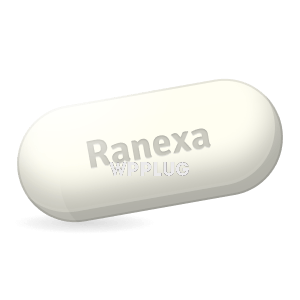
| Product dosage: 500mg | |||
|---|---|---|---|
| Package (num) | Per pill | Price | Buy |
| 30 | $1.65 | $49.46 (0%) | 🛒 Add to cart |
| 60 | $1.30 | $98.93 $77.73 (21%) | 🛒 Add to cart |
| 90 | $1.16 | $148.39 $103.97 (30%) | 🛒 Add to cart |
| 120 | $1.06 | $197.86 $127.19 (36%) | 🛒 Add to cart |
| 180 | $0.96 | $296.78 $172.62 (42%) | 🛒 Add to cart |
| 270 | $0.91 | $445.17 $245.30 (45%) | 🛒 Add to cart |
| 360 | $0.87
Best per pill | $593.57 $312.93 (47%) | 🛒 Add to cart |
Ranexa: Advanced Angina Relief for Stable Coronary Artery Disease
Ranexa (ranolazine) is an FDA-approved antianginal medication specifically indicated for the treatment of chronic angina pectoris in patients with stable coronary artery disease. As a late sodium current inhibitor, it operates through a unique mechanism distinct from traditional antianginal agents like beta-blockers or calcium channel blockers, offering a complementary or alternative therapeutic pathway. It is designed to reduce the frequency of angina attacks and improve exercise tolerance without significantly affecting heart rate or blood pressure, making it a valuable option for patients with contraindications to other first-line treatments. Ranexa is typically prescribed when symptoms persist despite standard therapy, providing an evidence-based approach to enhance quality of life and functional capacity in affected individuals.
Features
- Active ingredient: Ranolazine
- Available in extended-release tablet formulations (500 mg and 1000 mg)
- Unique mechanism of action: selective inhibition of the late sodium current in cardiac cells
- Does not cause clinically significant changes in heart rate or blood pressure
- Twice-daily dosing regimen for sustained 24-hour coverage
- Metabolized primarily via CYP3A and partially via CYP2D6 pathways
- Bioavailability of approximately 76% under fed conditions
Benefits
- Reduces frequency of angina episodes and nitroglycerin use
- Improves exercise tolerance and time to onset of angina during physical activity
- Offers a hemodynamically neutral profile, making it suitable for patients with hypotension or bradycardia
- Can be used concomitantly with other antianginal agents for additive efficacy
- Enhances quality of life by enabling greater physical activity with reduced symptoms
- Provides a therapeutic option for patients unresponsive or intolerant to conventional therapies
Common use
Ranexa is indicated for the treatment of chronic angina in patients who have remained symptomatic despite adequate doses of first-line antianginal agents such as beta-blockers, calcium channel blockers, or nitrates. It is commonly used as part of a comprehensive management strategy for stable coronary artery disease, often in combination with other cardiovascular medications including statins, antiplatelet agents, and antihypertensives. Clinical use is supported by evidence from multiple randomized controlled trials demonstrating efficacy in reducing angina frequency and improving exercise performance. It is not indicated for the acute relief of angina attacks.
Dosage and direction
The recommended starting dose of Ranexa is 500 mg taken orally twice daily. Based on clinical response and tolerability, the dose may be increased to a maximum of 1000 mg twice daily. Tablets should be swallowed whole and not crushed, chewed, or broken, as this alters the extended-release properties. Administration with food is recommended to improve bioavailability and minimize gastrointestinal side effects. Dose adjustments are necessary in patients with hepatic impairment, renal impairment (creatinine clearance <30 mL/min), or those taking concomitant moderate or strong CYP3A inhibitors. Treatment should be initiated under clinical supervision with periodic reassessment of efficacy and safety.
Precautions
Ranexa should be used with caution in patients with pre-existing QT interval prolongation or those taking other medications that prolong the QT interval, due to the potential for additive effects. Renal function should be assessed prior to initiation and periodically during treatment, particularly in elderly patients or those with comorbidities. Hepatic impairment (moderate to severe) necessitates dose reduction or avoidance. Patients should be advised that Ranexa is not for abortive treatment of acute angina episodes. Concomitant use with strong CYP3A inhibitors (e.g., ketoconazole, clarithromycin) is contraindicated, and moderate inhibitors require dose adjustment. Grapefruit juice should be avoided due to CYP3A inhibition.
Contraindications
Ranexa is contraindicated in patients with clinically significant hepatic impairment (Child-Pugh Class C). Concomitant administration with strong CYP3A inhibitors (including but not limited to ketoconazole, itraconazole, clarithromycin, nefazodone, nelfinavir, ritonavir, indinavir, and saquinavir) is contraindicated. Use with potent CYP3A inducers (e.g., rifampin, phenobarbital, St. John’s wort) should be avoided. It is also contraindicated in patients with a known hypersensitivity to ranolazine or any component of the formulation.
Possible side effects
Common adverse reactions (≥4% and more frequent than placebo) include dizziness, headache, constipation, and nausea. QT interval prolongation (dose-dependent) has been observed, though with a low incidence of torsades de pointes. Other reported side effects include dry mouth, vomiting, asthenia, and peripheral edema. Laboratory abnormalities may include small increases in serum creatinine and BUN. Rare but serious adverse effects include syncope, hallucinations, confusion, and diplopia. Patients should report any persistent or severe symptoms to their healthcare provider.
Drug interaction
Ranexa is primarily metabolized by CYP3A4 and to a lesser extent by CYP2D6, making it susceptible to numerous pharmacokinetic interactions. Strong CYP3A inhibitors are contraindicated; moderate inhibitors (e.g., diltiazem, verapamil, erythromycin) require dose limitation to 500 mg twice daily. CYP3A inducers may reduce ranolazine plasma concentrations. Ranexa itself is a moderate inhibitor of CYP3A and CYP2D6 and may increase concentrations of substrates of these enzymes (e.g., simvastatin, metoprolol, tricyclic antidepressants). It also inhibits P-glycoprotein and may affect digoxin levels. Dose monitoring or adjustment of concomitant medications may be necessary.
Missed dose
If a dose of Ranexa is missed, patients should take it as soon as remembered unless it is nearly time for the next scheduled dose. In that case, the missed dose should be skipped, and the regular dosing schedule resumed. Doubling the dose to make up for a missed dose is not recommended. Consistent adherence to the prescribed regimen is important for maintaining stable plasma concentrations and optimal antianginal effect.
Overdose
Cases of Ranexa overdose have been reported with doses up to 9000 mg. Symptoms may include severe nausea, vomiting, drowsiness, paresthesia, syncope, and QT prolongation. There is no specific antidote. Management should include supportive care, ECG monitoring for QT prolongation and arrhythmias, and gastrointestinal decontamination if appropriate. Hemodialysis is unlikely to be effective due to high protein binding and extensive metabolism. Symptomatic and supportive measures should be instituted based on clinical presentation.
Storage
Ranexa tablets should be stored at room temperature (20°C to 25°C/68°F to 77°F), with excursions permitted between 15°C and 30°C (59°F to 86°F). Keep in the original container with the lid tightly closed to protect from moisture and light. Keep out of reach of children and pets. Do not use beyond the expiration date printed on the packaging.
Disclaimer
This information is intended for educational purposes and does not replace professional medical advice, diagnosis, or treatment. Always consult a qualified healthcare provider before starting, changing, or discontinuing any medication. Individual patient responses may vary, and therapeutic decisions should be based on clinical judgment and patient-specific factors. The prescribing information provided here is a summary; refer to the full FDA-approved prescribing information for complete details.
Reviews
Clinical trials and post-marketing surveillance have demonstrated consistent efficacy and tolerability for Ranexa in appropriate patient populations. In the CARISA trial, Ranexa significantly increased exercise duration and reduced angina frequency compared to placebo. The ERICA trial showed additional benefit when added to amlodipine therapy. Real-world evidence supports its utility in complex patients with multiple comorbidities. Most reviews note its value as a second-line agent with a favorable hemodynamic profile, though gastrointestinal side effects and drug interaction potential are frequently highlighted considerations. Patient-reported outcomes often reflect improved functional status and reduced symptom burden.