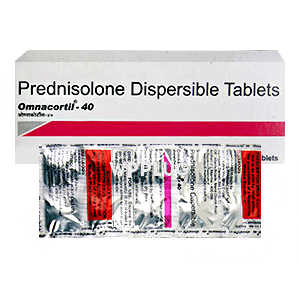
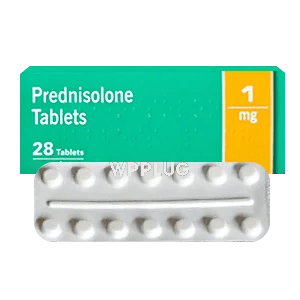
| Product dosage: 10mg | |||
|---|---|---|---|
| Package (num) | Per pill | Price | Buy |
| 10 | $4.54 | $45.45 (0%) | 🛒 Add to cart |
| 20 | $2.52 | $90.90 $50.50 (44%) | 🛒 Add to cart |
| 30 | $1.85 | $136.35 $55.55 (59%) | 🛒 Add to cart |
| 60 | $1.01 | $272.69 $60.60 (78%) | 🛒 Add to cart |
| 90 | $0.79 | $409.04 $70.70 (83%) | 🛒 Add to cart |
| 120 | $0.72 | $545.38 $85.85 (84%) | 🛒 Add to cart |
| 180 | $0.62 | $818.08 $111.10 (86%) | 🛒 Add to cart |
| 270 | $0.56 | $1227.11 $151.50 (88%) | 🛒 Add to cart |
| 360 | $0.48
Best per pill | $1636.15 $171.69 (90%) | 🛒 Add to cart |
| Product dosage: 20mg | |||
|---|---|---|---|
| Package (num) | Per pill | Price | Buy |
| 10 | $5.05 | $50.50 (0%) | 🛒 Add to cart |
| 20 | $2.78 | $101.00 $55.55 (45%) | 🛒 Add to cart |
| 30 | $2.02 | $151.50 $60.60 (60%) | 🛒 Add to cart |
| 60 | $1.09 | $302.99 $65.65 (78%) | 🛒 Add to cart |
| 90 | $1.01 | $454.49 $90.90 (80%) | 🛒 Add to cart |
| 120 | $0.84 | $605.98 $101.00 (83%) | 🛒 Add to cart |
| 180 | $0.73 | $908.97 $131.30 (86%) | 🛒 Add to cart |
| 270 | $0.60 | $1363.46 $161.60 (88%) | 🛒 Add to cart |
| 360 | $0.49
Best per pill | $1817.95 $176.74 (90%) | 🛒 Add to cart |
| Product dosage: 40mg | |||
|---|---|---|---|
| Package (num) | Per pill | Price | Buy |
| 10 | $6.06 | $60.60 (0%) | 🛒 Add to cart |
| 20 | $3.28 | $121.20 $65.65 (46%) | 🛒 Add to cart |
| 30 | $2.36 | $181.79 $70.70 (61%) | 🛒 Add to cart |
| 60 | $1.35 | $363.59 $80.80 (78%) | 🛒 Add to cart |
| 90 | $1.12 | $545.38 $101.00 (81%) | 🛒 Add to cart |
| 120 | $1.01 | $727.18 $121.20 (83%) | 🛒 Add to cart |
| 180 | $0.84 | $1090.77 $151.50 (86%) | 🛒 Add to cart |
| 270 | $0.65 | $1636.15 $176.74 (89%) | 🛒 Add to cart |
| 360 | $0.59
Best per pill | $2181.54 $212.09 (90%) | 🛒 Add to cart |
Similar products
Prednisolone: Potent Anti-Inflammatory Relief for Immune-Mediated Conditions
Prednisolone is a potent synthetic glucocorticoid medication widely prescribed for its powerful anti-inflammatory and immunosuppressive properties. As a cornerstone therapy in managing numerous acute and chronic conditions, it modifies the body’s immune response and reduces inflammation at the cellular level. This corticosteroid is available in multiple formulations, including oral tablets, liquid solutions, and ophthalmic preparations, allowing for tailored treatment approaches across diverse medical specialties. Its efficacy in controlling severe allergic reactions, autoimmune disorders, and certain malignancies has established it as an essential agent in modern therapeutic protocols.
Features
- Synthetic glucocorticoid with approximately 4 times the anti-inflammatory potency of hydrocortisone
- Available in immediate-release and delayed-release oral formulations (1mg, 5mg, 10mg, 20mg, 25mg tablets)
- Multiple administration routes: oral, ophthalmic, intravenous, and intramuscular
- Rapid absorption with peak plasma concentrations occurring within 1-2 hours
- Plasma protein binding: 90-95% (primarily to transcortin)
- Hepatic metabolism via cytochrome P450 3A4 system
- Elimination half-life: 2-4 hours (biological half-life: 18-36 hours)
- Excretion primarily renal (50-70%) with some fecal elimination
Benefits
- Rapid suppression of inflammatory mediators including cytokines, chemokines, and adhesion molecules
- Effective control of autoimmune disease activity through lymphocyte apoptosis and impaired antigen presentation
- Significant reduction in tissue edema and capillary permeability
- Prevention of fibrotic changes in chronic inflammatory conditions
- Symptomatic relief in allergic reactions through mast cell stabilization
- Palliation of cancer-related symptoms in hematologic malignancies
Common use
Prednisolone is indicated for a broad spectrum of inflammatory and immune-mediated conditions. In rheumatology, it serves as first-line therapy for giant cell arteritis, polymyalgia rheumatica, and moderate-to-severe rheumatoid arthritis. Dermatologists utilize it for severe contact dermatitis, pemphigus vulgaris, and toxic epidermal necrolysis. Pulmonologists prescribe it for acute exacerbations of COPD, severe asthma, and sarcoidosis. Hematologic indications include autoimmune hemolytic anemia and immune thrombocytopenic purpura. In oncology, it forms part of combination chemotherapy regimens for lymphomas and leukemias. Ophthalmic preparations effectively treat uveitis, keratitis, and allergic conjunctivitis. Additionally, it’s used in transplant medicine to prevent organ rejection and in nephrology for certain glomerulonephritides.
Dosage and direction
Dosage must be individualized based on disease severity, treatment response, and patient-specific factors. For anti-inflammatory effects: adults typically receive 5-60mg daily in divided doses. In life-threatening situations: initial doses may reach 60-100mg daily. Pediatric dosing: 0.14-2mg/kg/day in divided doses. Always administer with food to minimize gastric irritation. Morning administration (before 9 AM) mimics natural cortisol rhythm and reduces HPA axis suppression. For chronic therapy, use the lowest effective dose and consider alternate-day dosing to reduce adverse effects. Taper gradually when discontinuing therapy—reduce by 2.5-5mg every 3-7 days for patients on therapy exceeding 2 weeks. Never abruptly stop chronic corticosteroid therapy due to risk of adrenal insufficiency.
Precautions
Monitor blood pressure, weight, and serum glucose regularly during therapy. Obtain baseline and periodic eye examinations for patients on long-term treatment due to cataract and glaucoma risk. Use with extreme caution in patients with diabetes mellitus, hypertension, osteoporosis, peptic ulcer disease, or psychiatric disorders. Consider calcium and vitamin D supplementation for all patients receiving prednisolone equivalent to ≥5mg daily for more than 3 months. Implement gastrointestinal prophylaxis with proton pump inhibitors in high-risk patients. Vaccination with live vaccines is contraindicated during treatment. Stress-dose steroids may be required during surgery, trauma, or serious illness. Monitor growth velocity in pediatric patients receiving long-term therapy.
Contraindications
Absolute contraindications include systemic fungal infections (except adrenal insufficiency), known hypersensitivity to prednisolone or components, and administration of live virus vaccines in immunosuppressed patients. Relative contraindications include active peptic ulcer disease, uncontrolled hypertension, severe osteoporosis, recent intestinal anastomoses, psychotic disorders, uncontrolled diabetes mellitus, and congestive heart failure. Use during pregnancy requires careful risk-benefit assessment (pregnancy category C). Avoid use in nursing mothers unless potential benefit justifies potential risk to infant.
Possible side effect
Common adverse effects (≥10%): insomnia, increased appetite, weight gain, fluid retention, mood changes, and dyspepsia. Frequent effects (1-10%): hyperglycemia, hypertension, hirsutism, moon facies, buffalo hump, acneiform eruptions, and increased susceptibility to infections. Serious but less common effects (<1%): avascular necrosis (particularly femoral head), severe psychiatric reactions including mania and depression, peptic ulceration with perforation, pancreatitis, myopathy, and growth suppression in children. Ophthalmic effects include posterior subcapsular cataracts and increased intraocular pressure. Long-term use may lead to hypothalamic-pituitary-adrenal axis suppression and Cushing’s syndrome.
Drug interaction
Significant interactions occur with CYP3A4 inducers (rifampin, phenytoin, carbamazepine) which reduce prednisolone efficacy. CYP3A4 inhibitors (ketoconazole, clarithromycin) increase prednisolone exposure. Concurrent use with NSAIDs increases gastrointestinal ulcer risk. Enhanced hypokalemia may occur with diuretics or amphotericin B. Prednisolone antagonizes hypoglycemic effects of antidiabetic agents and antihypertensive effects of various agents. Coadministration with warfarin requires frequent INR monitoring due to variable effects on coagulation. Live vaccines demonstrate reduced efficacy and potential for vaccine-associated disease. Neuromuscular blocking agents may have prolonged effects.
Missed dose
If a dose is missed and remembered within a few hours, take it as soon as possible. If it’s almost time for the next dose, skip the missed dose and resume regular schedule. Never double the dose to make up for a missed one. For patients on alternate-day therapy: if a dose is missed, take it as soon as remembered, then resume alternate-day schedule. Contact healthcare provider if multiple doses are missed, particularly for patients on long-term therapy, as this may require dose adjustment to prevent adrenal insufficiency.
Overdose
Acute overdose is unlikely to cause serious problems in healthy adults, but may exacerbate typical side effects including hypertension, hyperglycemia, and psychiatric symptoms. Management involves supportive care and symptomatic treatment. Consider gastric lavage if ingestion occurred within 1 hour. No specific antidote exists. For chronic overdose, gradual dose reduction is necessary to avoid adrenal crisis. Monitor electrolyte balance and glucose levels. Hemodialysis is not effective due to high protein binding. Contact poison control center (1-800-222-1222) for guidance.
Storage
Store at controlled room temperature (20-25°C or 68-77°F) in original container. Protect from light, moisture, and excessive heat. Keep tightly closed. Do not store in bathroom or near kitchen sink. Oral solutions should not be frozen. Keep all medications out of reach of children and pets. Do not flush medications down toilet or pour into drain unless instructed. Properly discard expired or unused medication through medication take-back programs.
Disclaimer
This information does not replace professional medical advice. Always consult qualified healthcare providers for diagnosis and treatment decisions. The content provided is for educational purposes only and reflects current medical knowledge at time of publication. Individual patient responses to prednisolone may vary. Healthcare professionals should verify dosage information with current prescribing literature. Patients should not initiate or modify therapy without medical supervision.
Reviews
Clinical studies demonstrate prednisolone’s efficacy in numerous randomized controlled trials. For acute asthma exacerbations, systematic reviews show significant improvement in pulmonary function (mean increase in FEV1: 0.5-0.75L within 24 hours). In rheumatoid arthritis, prednisolone 7.5mg daily reduces disease activity scores by 1.2 points compared to placebo. Giant cell arteritis trials show 60mg daily achieving remission in 85% of patients within 4 weeks. Meta-analyses confirm its benefit in preventing chemotherapy-induced nausea and vomiting (relative risk reduction: 45-60%). Long-term observational studies note sustained efficacy in autoimmune conditions, though with cumulative toxicity concerns after 5+ years of continuous use.