Nitrofurantoin: Effective Urinary Tract Infection Treatment
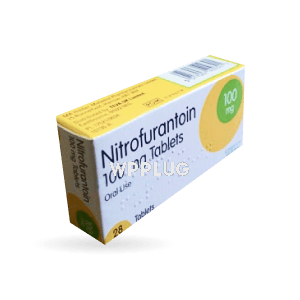
| Product dosage: 100mg | |||
|---|---|---|---|
| Package (num) | Per pill | Price | Buy |
| 100 | $0.69 | $69.06 (0%) | 🛒 Add to cart |
| 200 | $0.59 | $138.13 $117.11 (15%) | 🛒 Add to cart |
| 300 | $0.55 | $207.19 $164.15 (21%) | 🛒 Add to cart |
| 400 | $0.53 | $276.26 $210.20 (24%) | 🛒 Add to cart |
| 500 | $0.51
Best per pill | $345.32 $257.24 (26%) | 🛒 Add to cart |
| 600 | $0.52 | $414.39 $309.29 (25%) | 🛒 Add to cart |
| Product dosage: 50mg | |||
|---|---|---|---|
| Package (num) | Per pill | Price | Buy |
| 100 | $0.58 | $58.05 (0%) | 🛒 Add to cart |
| 200 | $0.49 | $116.11 $97.09 (16%) | 🛒 Add to cart |
| 300 | $0.46 | $174.16 $137.13 (21%) | 🛒 Add to cart |
| 400 | $0.45 | $232.22 $178.17 (23%) | 🛒 Add to cart |
| 500 | $0.44 | $290.27 $218.20 (25%) | 🛒 Add to cart |
| 600 | $0.43
Best per pill | $348.32 $255.24 (27%) | 🛒 Add to cart |
Synonyms
| |||
Nitrofurantoin is a prescription antibacterial medication specifically indicated for the treatment and prophylaxis of uncomplicated urinary tract infections (UTIs) caused by susceptible strains of Escherichia coli, Enterococcus faecalis, Staphylococcus aureus, and certain strains of Klebsiella and Enterobacter species. As a nitrofuran derivative, it exerts its bactericidal effect by interfering with bacterial enzyme systems and cell wall synthesis. Its unique pharmacokinetic profile results in high concentrations in the urine and renal tissue, with minimal systemic absorption, making it particularly suitable for lower urinary tract infections. Healthcare providers frequently prescribe nitrofurantoin due to its targeted action and generally favorable safety profile when used appropriately.
Features
- Chemical class: Nitrofuran antimicrobial
- Available formulations: Macrocrystals, monohydrate/macrocrystals, and capsule forms
- Mechanism: Disrupts bacterial acetylcoenzyme A, inhibiting carbohydrate metabolism
- Spectrum: Primarily effective against Gram-positive and Gram-negative uropathogens
- Renal excretion: Achieves high urinary concentration with low serum levels
- FDA-approved since 1953 with established efficacy data
Benefits
- Provides targeted antibacterial action specifically within the urinary tract
- Minimizes disruption to gut flora compared to broad-spectrum antibiotics
- Effective against many antibiotic-resistant uropathogens
- Suitable for long-term prophylaxis in recurrent UTI cases
- Generally well-tolerated with proper patient selection
- Cost-effective treatment option with multiple generic formulations available
Common use
Nitrofurantoin is primarily indicated for the treatment of acute, uncomplicated cystitis caused by susceptible strains of bacteria. It is particularly valuable for community-acquired UTIs where local resistance patterns favor its use. The medication is also prescribed for chronic suppressive therapy in patients with recurrent UTIs, typically at a reduced dosage frequency. Off-label uses may include treatment of some lower urinary tract infections in pediatric populations under careful supervision, though this requires specialist assessment. It is not indicated for pyelonephritis or perinephric abscesses due to inadequate tissue penetration.
Dosage and direction
Standard treatment dosage for acute cystitis in adults is 50-100 mg four times daily for 7 days, or 100 mg twice daily for 5-7 days with the macrocrystal formulation. For prophylaxis, the typical dosage is 50-100 mg once daily at bedtime. Pediatric dosing (age ≥1 month) is based on weight: 5-7 mg/kg/day divided into four doses for treatment, not to exceed 400 mg daily. Administration should occur with food or milk to enhance absorption and minimize gastrointestinal upset. Complete the full prescribed course even if symptoms improve earlier. Dosage adjustment is required in patients with renal impairment (CrCl <60 mL/min).
Precautions
Monitor renal function periodically during therapy, as nitrofurantoin is contraindicated in significant renal impairment. Hepatic function should be assessed baseline and monitored during prolonged therapy due to rare but serious hepatotoxicity risk. Pulmonary reactions, including interstitial pneumonitis and fibrosis, may occur especially with long-term use; monitor for respiratory symptoms. Hemolytic anemia may occur in patients with glucose-6-phosphate dehydrogenase (G6PD) deficiency. Peripheral neuropathy, which may become severe or irreversible, has been reported. Use with caution in elderly patients due to increased risk of pulmonary and hepatic reactions.
Contraindications
Patients with known hypersensitivity to nitrofurantoin or other nitrofuran derivatives. Significant renal impairment (creatinine clearance <60 mL/min) due to inadequate therapeutic urinary concentrations and increased toxicity risk. Infants younger than one month due to risk of hemolytic anemia. Pregnancy at term (38-42 weeks gestation), during labor and delivery, or when onset of labor is imminent due to risk of hemolytic anemia in the neonate. Patients with history of nitrofurantoin-associated cholestatic jaundice or hepatic dysfunction.
Possible side effect
Common reactions (≥1%) include nausea, vomiting, anorexia, abdominal pain, diarrhea, and headache. Less frequently (0.1-1%), patients may experience pulmonary reactions (cough, dyspnea, chest pain), dermatological reactions (rash, pruritus, urticaria), and transient alopecia. Rare but serious adverse effects (<0.1%) include pneumonitis, pulmonary fibrosis, hepatitis, cholestatic jaundice, peripheral neuropathy, hematological disorders (agranulocytosis, leukopenia, thrombocytopenia), and anaphylaxis. Pseudomembranous colitis has been reported with nearly all antibacterial agents.
Drug interaction
Antacids containing magnesium trisilicate may reduce absorption and efficacy. Probenecid and sulfinpyrazone may inhibit renal tubular secretion, increasing nitrofurantoin serum levels and toxicity risk while decreasing urinary concentrations. Drugs with neurotoxic potential (e.g., some antiretroviral agents, chemotherapy drugs) may increase risk of peripheral neuropathy. Uricosuric agents may alter nitrofurantoin elimination. Concurrent use with other antibiotics that suppress intestinal flora may reduce nitrofurantoin’s activation.
Missed dose
If a dose is missed, take it as soon as remembered unless it is nearly time for the next scheduled dose. Do not double the dose to make up for a missed administration. Maintain regular dosing intervals to ensure consistent urinary drug concentrations. For patients on prophylactic regimens, a single missed dose generally does not significantly impact efficacy, but consistent daily administration provides optimal protection.
Overdose
Symptoms may include nausea, vomiting, and gastrointestinal distress. No specific antidote exists. Management involves gastric lavage if ingestion was recent, followed by supportive care including hydration and electrolyte management. Hemodialysis may be of limited value due to nitrofurantoin’s rapid elimination and protein binding characteristics. Cases of intentional overdose should receive immediate medical attention with appropriate symptomatic treatment.
Storage
Store at controlled room temperature (20-25°C or 68-77°F) in the original container, protected from moisture and light. Keep tightly closed and away from excessive heat. Do not store in bathroom cabinets where humidity levels fluctuate. Keep all medications out of reach of children and pets. Properly dispose of expired or unused medication through medication take-back programs.
Disclaimer
This information is provided for educational purposes only and does not constitute medical advice. Always consult with a qualified healthcare professional for diagnosis and treatment recommendations. Dosage and administration should be determined by a physician based on individual patient factors. The prescribing information provided here may not include all possible uses, directions, precautions, or interactions.
Reviews
Clinical studies demonstrate nitrofurantoin’s efficacy with cure rates of 85-95% for uncomplicated UTIs caused by susceptible organisms. Many urologists consider it a first-line option for acute cystitis and prophylaxis based on its targeted spectrum and favorable resistance profile. Patient satisfaction surveys indicate generally good tolerance when taken with food, though gastrointestinal side effects remain the most common reason for discontinuation. Long-term safety data support its use for prophylaxis up to 12 months with appropriate monitoring.