

Similar products

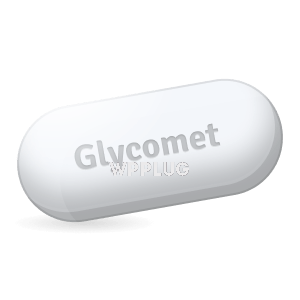
Metformin: First-Line Pharmacologic Therapy for Type 2 Diabetes Management
Metformin hydrochloride is a biguanide antihyperglycemic agent and the cornerstone of oral pharmacologic therapy for type 2 diabetes mellitus. It is universally recognized in clinical guidelines as the initial medication of choice upon diagnosis, owing to its potent efficacy, favorable safety profile, and extensive evidence base from decades of use. This agent works primarily by decreasing hepatic glucose production and improving insulin sensitivity in peripheral tissues, thereby addressing fundamental pathophysiologic defects of the disease without inducing hypoglycemia or weight gain.
Features
- Active Ingredient: Metformin Hydrochloride
- Drug Class: Biguanide antihyperglycemic
- Available Formulations: Immediate-release (IR) tablets, extended-release (XR) tablets, and oral solution
- Standard Strengths: 500 mg, 850 mg, 1000 mg tablets
- Mechanism of Action: Primarily suppresses hepatic gluconeogenesis and enhances peripheral glucose uptake and utilization
- Prescription Status: Requires a prescription (Rx-only)
Benefits
- Effective Glycemic Control: Significantly lowers both fasting and postprandial blood glucose levels and reduces HbA1c by approximately 1.0–2.0%.
- Cardiovascular Safety & Potential Benefit: Unlike some other diabetes medications, it is weight-neutral or associated with modest weight loss and is not associated with an increased risk of major adverse cardiovascular events; some studies suggest potential protective effects.
- Low Risk of Hypoglycemia: When used as monotherapy, it does not stimulate insulin secretion, making clinically significant hypoglycemia a rare occurrence.
- Established Long-Term Safety Profile: With over 60 years of clinical use, its effects and side effect management are well-understood within the medical community.
- Cost-Effective Therapy: Available as a generic medication, making it an accessible and affordable first-line treatment option globally.
- Potential Pleiotropic Effects: Research suggests possible benefits beyond glycemic control, including modest improvements in lipid profiles and a potential role in conditions like PCOS (off-label).
Common use
Metformin is indicated as an adjunct to diet and exercise to improve glycemic control in adults and pediatric patients 10 years of age and older with type 2 diabetes mellitus. It is used as monotherapy or in combination with other oral antihyperglycemic agents (e.g., sulfonylureas, DPP-4 inhibitors, SGLT2 inhibitors) or insulin. Its use is also common in the management of polycystic ovary syndrome (PCOS) on an off-label basis, where it helps to address insulin resistance and regulate menstrual cycles.
Dosage and direction
Dosage must be individualized based on efficacy and tolerability, with a gradual titration to minimize gastrointestinal adverse effects.
- Adults (Immediate-Release): The usual starting dose is 500 mg orally twice daily or 850 mg once daily with meals. The dosage may be increased by 500 mg weekly or 850 mg every two weeks. The maximum recommended daily dose is 2550 mg administered in divided doses. A typical maintenance dose is 2000 mg/day (e.g., 1000 mg twice daily).
- Adults (Extended-Release): The usual starting dose is 500 mg orally once daily with the evening meal. The dose may be increased by 500 mg weekly. The maximum recommended daily dose is 2000 mg (once daily with the evening meal).
- Pediatric Patients (10-16 years): The usual starting dose is 500 mg twice daily. Dose escalation should be made in increments of 500 mg weekly up to a maximum of 2000 mg per day.
- Administration: Immediate-release tablets should be taken with meals to reduce GI upset. Extended-release tablets must be swallowed whole and never crushed or chewed. They are designed to be taken once daily with the evening meal.
Precautions
- Vitamin B12 Deficiency: Long-term use of metformin has been associated with a statistically significant, though often subclinical, reduction in Vitamin B12 absorption. Periodic measurement of hematological parameters is advised.
- Lactic Acidosis: Although a rare (<0.01 cases per 1000 patient-years) but serious metabolic complication, the risk is increased in conditions associated with hypoperfusion and hypoxia (e.g., sepsis, dehydration, acute CHF, hepatic impairment).
- Surgical/Radiologic Procedures: Metformin should be temporarily discontinued at the time of or prior to any surgical procedure or radiologic study involving intravascular iodinated contrast materials and withheld for 48 hours after the procedure, upon confirmation that renal function has returned to baseline.
- Renal Function Monitoring: Renal function (e.g., eGFR) must be assessed before initiation and regularly thereafter.
- Alcohol Intake: Excessive alcohol intake, either acute or chronic, is contraindicated due to its potentiation of metformin’s effect on lactate metabolism.
Contraindications
- Severe renal impairment (eGFR below 30 mL/min/1.73m²).
- Acute or chronic metabolic acidosis, including diabetic ketoacidosis, with or without coma.
- History of a hypersensitivity reaction to metformin hydrochloride.
- Concomitant use with certain radiologic contrast dyes.
- Acute or chronic disease which may cause tissue hypoxia (e.g., cardiac or respiratory failure, recent myocardial infarction, shock).
Possible side effect
The most common adverse reactions are gastrointestinal in nature and often transient.
- Very Common (>10%): Diarrhea, nausea/vomiting, flatulence, abdominal discomfort.
- Common (1-10%): Asthenia (weakness), headache, dysgeusia (metallic taste).
- Uncommon (0.1-1%): Vitamin B12 deficiency, decreased appetite.
- Rare (<0.1%): Lactic acidosis (requires immediate medical attention), hepatitis, skin reactions such as urticaria or erythema.
- Very Rare: Erythema multiforme, Stevens-Johnson syndrome.
Drug interaction
- Cationic Drugs: Drugs that are eliminated by renal tubular secretion (e.g., cimetidine, digoxin, morphine, procainamide, quinidine, quinine, ranitidine, trimethoprim, vancomycin) may compete for common renal tubular transport systems, potentially increasing the peak concentration and AUC of metformin. More frequent monitoring is recommended.
- Hyperglycemic Agents: Corticosteroids, sympathomimetics (e.g., albuterol), diuretics, phenothiazines, thyroid products, estrogens, oral contraceptives, phenytoin, nicotinic acid, and isoniazid may lead to a loss of glycemic control.
- Alcohol: Potentiates the effect of metformin on lactate metabolism and increases the risk of lactic acidosis. Excessive intake is to be avoided.
- Iodinated Contrast Media: Can acutely alter renal function, increasing the risk of metformin accumulation and lactic acidosis.
Missed dose
If a dose is missed, it should be taken as soon as remembered that day. However, if it is almost time for the next scheduled dose, the missed dose should be skipped. The patient should not take a double dose to make up for a missed one. Maintaining a regular dosing schedule is important for stable glycemic control.
Overdose
Overdose of metformin, or accumulation due to renal impairment, has been associated with the appearance of lactic acidosis, a medical emergency requiring immediate hospitalization. Hypoglycemia has not been seen with metformin overdose in otherwise healthy individuals but can occur when metformin is taken concurrently with other glucose-lowering agents (e.g., sulfonylureas, insulin). In the event of an overdose, treatment is supportive and symptomatic. Hemodialysis is effective at clearing metformin from the system (clearance of up to 170 mL/min) and is recommended in the presence of lactic acidosis.
Storage
Store at 20°C to 25°C (68°F to 77°F); excursions permitted between 15°C and 30°C (59°F and 86°F). Keep the container tightly closed and protect from moisture and light. Keep out of reach of children and pets. Do not use after the expiration date printed on the container.
Disclaimer
This information is for educational and informational purposes only and does not constitute medical advice. It is not a substitute for professional medical advice, diagnosis, or treatment. Always seek the advice of your physician or other qualified health provider with any questions you may have regarding a medical condition or before starting, stopping, or changing any prescribed part of your care plan. Never disregard professional medical advice or delay in seeking it because of something you have read here.
Reviews
- Clinical Guidelines (AGG/ADA/EASD): “Consistently recommended as the first-line pharmacologic therapy for type 2 diabetes due to its efficacy, safety, cardiovascular neutral/beneficial profile, and low cost.”
- Systematic Reviews & Meta-Analyses: “Demonstrates a robust HbA1c reduction of 1.12% on average as monotherapy. Associated with weight neutrality and a low risk of hypoglycemia compared to insulin secretagogues.”
- Patient Reported Outcomes: Many patients report high satisfaction with long-term glycemic control. The initial gastrointestinal side effects are a common point of feedback, though most report that these symptoms subside with continued use and proper administration with food. The convenience of a generic, often low-cost medication is frequently cited as a significant benefit.