| Product dosage: 100mg | |||
|---|---|---|---|
| Package (num) | Per pill | Price | Buy |
| 60 | $0.89 | $53.46 (0%) | 🛒 Add to cart |
| 90 | $0.75 | $80.19 $67.58 (16%) | 🛒 Add to cart |
| 120 | $0.68 | $106.92 $81.70 (24%) | 🛒 Add to cart |
| 180 | $0.62 | $160.38 $111.96 (30%) | 🛒 Add to cart |
| 270 | $0.57 | $240.56 $154.32 (36%) | 🛒 Add to cart |
| 360 | $0.55
Best per pill | $320.75 $197.70 (38%) | 🛒 Add to cart |
| Product dosage: 25mg | |||
|---|---|---|---|
| Package (num) | Per pill | Price | Buy |
| 60 | $0.69 | $41.35 (0%) | 🛒 Add to cart |
| 90 | $0.54 | $62.03 $48.42 (22%) | 🛒 Add to cart |
| 120 | $0.46 | $82.71 $55.48 (33%) | 🛒 Add to cart |
| 180 | $0.38
Best per pill | $124.06 $68.59 (45%) | 🛒 Add to cart |
| Product dosage: 50mg | |||
|---|---|---|---|
| Package (num) | Per pill | Price | Buy |
| 90 | $0.52 | $46.40 (0%) | 🛒 Add to cart |
| 120 | $0.46 | $61.86 $55.48 (10%) | 🛒 Add to cart |
| 180 | $0.40 | $92.80 $72.62 (22%) | 🛒 Add to cart |
| 270 | $0.37 | $139.19 $99.86 (28%) | 🛒 Add to cart |
| 360 | $0.35
Best per pill | $185.59 $126.08 (32%) | 🛒 Add to cart |
Synonyms | |||
Similar products
Lopressor: Advanced Beta-Blocker Therapy for Cardiovascular Control
Lopressor (metoprolol tartrate) is a cardioselective beta-1 adrenergic receptor blocking agent, representing a cornerstone in modern cardiovascular pharmacotherapy. It is specifically engineered to antagonize catecholamine-induced tachycardia, reduce myocardial oxygen demand, and modulate sympathetic nervous system overactivity. This medication is indicated for the management of hypertension, angina pectoris, and hemodynamic stability following myocardial infarction. Its high affinity for cardiac beta-1 receptors, coupled with a lower propensity for bronchoconstrictive effects compared to non-selective agents, makes it a preferred choice among clinicians for long-term cardiovascular risk mitigation. Proper patient selection and dosing are critical to maximizing therapeutic outcomes while minimizing adverse effects.
Features
- Contains metoprolol tartrate as the active pharmaceutical ingredient
- Available in scored tablet formulations (25 mg, 50 mg, 100 mg) for dose flexibility
- Exhibits cardioselective beta-1 adrenergic blockade at therapeutic doses
- Rapid absorption with peak plasma concentrations occurring within 1–2 hours post-administration
- Extensive hepatic metabolism via cytochrome P450 2D6 (CYP2D6) isoenzyme
- Elimination half-life of approximately 3–7 hours in normal renal function
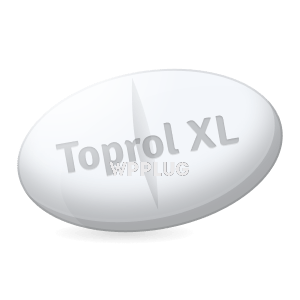
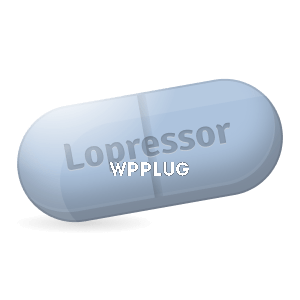
- White, round, film-coated tablets with “LOPRESSOR” debossed on one side
Benefits
- Effectively lowers systolic and diastolic blood pressure through reduced cardiac output and renin suppression
- Decreases frequency and severity of angina episodes by lowering myocardial oxygen consumption
- Improves survival rates post-myocardial infarction when initiated early in hemodynamically stable patients
- Reduces mortality and reinfarction risk in long-term secondary prevention
- May prevent migraine episodes through vascular stabilization and sympathetic modulation
- Provides measurable reduction in heart rate and contractility during tachyarrhythmias
Common use
Lopressor is primarily prescribed for the management of essential hypertension, either as monotherapy or in combination with other antihypertensive agents. It is widely used for long-term prophylaxis of chronic stable angina pectoris and for early intervention in acute myocardial infarction to limit infarct size and prevent arrhythmias. Off-label applications include rate control in atrial fibrillation/flutter, symptomatic treatment of hypertrophic obstructive cardiomyopathy, and prophylaxis of migraine headaches. It may also be employed in the management of hyperthyroidism-associated tachycardia and essential tremor when first-line therapies are contraindicated or ineffective.
Dosage and direction
Hypertension: Initial dose is 100 mg daily in single or divided doses. Maintenance dose ranges from 100–450 mg daily. Dosage may be increased at weekly intervals until optimal blood pressure control is achieved.
Angina Pectoris: Initial dose is 100 mg daily in two divided doses. Usual maintenance dose is 100–400 mg daily. Maximum recommended daily dose is 400 mg in divided doses.
Myocardial Infarction: Early treatment involves intravenous administration (5 mg every 2 minutes for three doses) followed by oral therapy. Oral maintenance: 100 mg twice daily for at least 3 months.
Tablets should be swallowed whole with water, preferably with food to enhance bioavailability. Dosage must be individualized based on therapeutic response and tolerability. Abrupt discontinuation should be avoided; taper gradually over 1–2 weeks.
Precautions
Monitor blood pressure and heart rate regularly during dose titration. Use caution in patients with compensated heart failure; may be used if closely monitored. May mask signs of hypoglycemia (tachycardia) in diabetic patients. Can precipitate or exacerbate heart failure in susceptible individuals. May cause cold extremities in patients with peripheral vascular disease. Use lower doses in elderly patients due to increased bioavailability and reduced clearance. Hepatic impairment requires dose reduction due to decreased metabolism. May cause fatigue and dizziness—caution when operating machinery. Not recommended during pregnancy unless potential benefit justifies potential risk to fetus.
Contraindications
Severe bradycardia (heart rate <45–50 bpm). Second- or third-degree heart block without functioning pacemaker. Cardiogenic shock. Decompensated cardiac failure. Sick sinus syndrome. Severe peripheral arterial circulatory disorders. Hypersensitivity to metoprolol or any component of the formulation. Concurrent use with flutter-fibrillation depressing agents (e.g., flecainide, propafenone). Untreated pheochromocytoma (must be used with alpha-blockade first).
Possible side effect
Common (>10%): Fatigue, dizziness, depression, bradycardia, diarrhea, pruritus, rash
Less common (1–10%): Shortness of breath, cold extremities, insomnia, nightmares, nausea, constipation, flatulence, heartburn
Rare (<1%): Hallucinations, memory impairment, Peyronie’s disease, alopecia, dry eyes, visual disturbances, agranulocytosis, thrombocytopenia, hepatitis, lupus-like syndrome
Serious but rare: Bronchospasm in susceptible patients, complete heart block, exacerbation of heart failure, severe hypotension, hypoglycemia, hyperkalemia
Drug interaction
Contraindicated combinations: Other beta-blockers (additive effects), calcium channel blockers with negative chronotropic effects (verapamil, diltiazem—risk of bradycardia and heart block)
Significant interactions: Digoxin (increased risk of bradycardia), insulin and oral hypoglycemics (masked hypoglycemic symptoms, impaired glucose recovery), clonidine (rebound hypertension upon withdrawal), NSAIDs (reduced antihypertensive effect), CYP2D6 inhibitors (fluoxetine, paroxetine, quinidine—increased metoprolol concentrations)
Moderate interactions: Diphenhydramine (competitive CYP2D6 inhibition), cimetidine (increased bioavailability), rifampin (decreased metoprolol concentrations)
Missed dose
If a dose is missed, it should be taken as soon as remembered unless it is nearly time for the next scheduled dose. Do not double the dose to make up for a missed administration. If multiple doses are missed, contact healthcare provider for guidance as dose retitration may be necessary. Abrupt discontinuation after chronic use may cause rebound hypertension, tachycardia, or angina exacerbation.
Overdose
Symptoms include severe bradycardia, hypotension, heart failure, bronchospasm, hypoglycemia, and coma. Cardiovascular effects may progress to cardiogenic shock and cardiac arrest. Management includes gastric lavage if presented early, activated charcoal, and supportive measures. Specific antidotes include atropine for bradycardia, glucagon for myocardial stimulation, and vasopressors for hypotension. Hemodialysis is not effective due to high protein binding. Cardiac monitoring for at least 24 hours is recommended even after apparent recovery.
Storage
Store at controlled room temperature (20–25°C or 68–77°F). Protect from moisture and light. Keep in original container with tight closure. Do not store in bathroom or near sink. Keep out of reach of children and pets. Do not use after expiration date printed on packaging. Discard any tablets that show signs of physical deterioration or discoloration.
Disclaimer
This information is for educational purposes only and does not constitute medical advice. Individual response to medication may vary. Always consult with a qualified healthcare professional before starting, changing, or stopping any medication. The prescribing physician should be aware of the patient’s complete medical history and concurrent medications. Not all possible uses, interactions, or adverse effects are listed here. Proper medical supervision is essential during treatment with Lopressor.
Reviews
“Lopressor has been instrumental in managing our post-MI patients. The mortality reduction data is robust, and we’ve observed excellent hemodynamic control in appropriately selected patients. The cardioselectivity provides an important safety margin for patients with mild reactive airway disease.” — Dr. Eleanor Vance, Cardiologist
“Our hypertension clinic has used metoprolol for decades with consistent results. The dose-response relationship is predictable, and patients generally tolerate it well. The scored tablets allow for fine titration, which is particularly valuable in elderly patients.” — Dr. Marcus Thorne, Internal Medicine Specialist
“While effective, we must remain vigilant about potential depression and fatigue side effects. I’ve had several patients require dose reduction or switch to alternative agents due to these issues. Proper patient education about gradual discontinuation is crucial.” — Dr. Samantha Reyes, Clinical Pharmacologist
“The 100 mg strength provides optimal flexibility for both initial therapy and maintenance. I appreciate the extensive clinical trial data supporting its use across multiple cardiovascular indications. It remains a first-line option in our practice guidelines.” — Dr. Robert Chen, Vascular Specialist