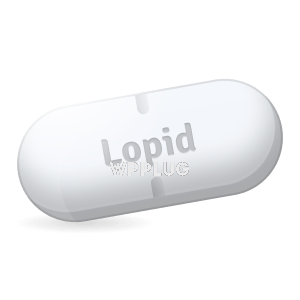
| Product dosage: 300mg | |||
|---|---|---|---|
| Package (num) | Per pill | Price | Buy |
| 30 | $2.34 | $70.22 (0%) | 🛒 Add to cart |
| 60 | $1.71 | $140.43 $102.32 (27%) | 🛒 Add to cart |
| 90 | $1.50 | $210.65 $135.42 (36%) | 🛒 Add to cart |
| 120 | $1.39 | $280.87 $166.52 (41%) | 🛒 Add to cart |
| 180 | $1.29 | $421.30 $232.72 (45%) | 🛒 Add to cart |
| 270 | $1.22 | $631.95 $330.02 (48%) | 🛒 Add to cart |
| 360 | $1.18
Best per pill | $842.61 $425.32 (50%) | 🛒 Add to cart |
Synonyms | |||
Lopid: Advanced Lipid Management for Cardiovascular Risk Reduction
Lopid (gemfibrozil) is a lipid-regulating medication belonging to the fibrate class, specifically indicated for the treatment of severe hypertriglyceridemia and primary hypercholesterolemia. It functions by activating peroxisome proliferator-activated receptor-alpha (PPAR-α), leading to a significant reduction in very-low-density lipoprotein (VLDL) synthesis and an increase in lipoprotein lipase activity. This dual mechanism effectively lowers elevated serum triglycerides and, to a lesser extent, total cholesterol, while often raising high-density lipoprotein (HDL) cholesterol levels. Its targeted action makes it a cornerstone in the pharmacological management of specific dyslipidemias, particularly when triglyceride levels pose a significant independent cardiovascular risk.
Features
- Active Pharmaceutical Ingredient: Gemfibrozil 600 mg
- Pharmacologic Class: Fibric acid derivative (fibrate)
- Mechanism of Action: PPAR-α agonist
- Standard Presentation: Film-coated, oblong, white tablets
- Primary Indications: Type IV and V hyperlipidemia, severe hypertriglyceridemia
- Bioavailability: Well-absorbed orally, with peak plasma concentrations occurring within 1-2 hours
- Half-life: Approximately 1.5 hours
- Metabolism: Hepatic, primarily via CYP3A4 oxidation
- Excretion: Primarily renal (~70%), with ~6% excreted in feces
Benefits
- Pronounced Triglyceride Reduction: Achieves a potent decrease in serum triglyceride levels, often by 40-55%, directly targeting a key independent risk factor for pancreatitis and adverse cardiovascular events.
- Favorable HDL Modulation: Consistently demonstrates an ability to elevate high-density lipoprotein (HDL-C) or “good” cholesterol, which is associated with improved reverse cholesterol transport and potentially enhanced atheroprotection.
- VLDL Particle Clearance: Enhances the catabolism of triglyceride-rich very-low-density lipoproteins (VLDL) through the upregulation of lipoprotein lipase, reducing the number of atherogenic remnant particles.
- Adjunct Therapy Potential: Can be used in combination with other lipid-lowering agents (e.g., statins) in specific, carefully monitored patient populations to address complex mixed dyslipidemias, though this requires extreme caution.
- Established Clinical Profile: Backed by decades of clinical use and study data, including the landmark Helsinki Heart Study, which demonstrated its efficacy in reducing coronary heart disease incidence in a specific patient cohort.
Common use
Lopid is primarily prescribed for adult patients with severe hypertriglyceridemia (type IV and V hyperlipidemia) who present with serum triglyceride levels exceeding 500 mg/dL and are at high risk for abdominal pain and acute pancreatitis. It is also indicated for a subset of patients with primary hypercholesterolemia (type IIa and IIb) who have not achieved target lipid levels with, or cannot tolerate, first-line statin therapy and whose lipid profile shows a significant elevation in triglycerides coupled with low HDL-C. Its use is always considered within the broader context of a strict lipid-lowering diet and lifestyle modifications, which remain the foundational therapy. It is not intended for the cosmetic lowering of mildly elevated lipid levels.
Dosage and direction
The recommended adult dosage is 600 mg (one tablet) administered orally twice daily, 30 minutes before the morning and evening meals. This timing is crucial to maximize bioavailability. Dosing should be individualized based on patient response, tolerance, and lipid levels measured at 4-8 week intervals. The dosage should not be split or crushed. For patients with renal impairment (creatinine clearance <60 mL/min) or hepatic impairment, a reduced dosage or alternative therapy may be necessary, as determined by a healthcare provider. Use in pediatric populations has not been established.
Precautions
- Liver Function: Periodic liver function tests (LFTs) are mandatory before initiation and at regular intervals during therapy. Discontinue if ALT (SGPT) levels rise persistently to more than three times the upper limit of normal.
- Cholelithiasis: Fibrate therapy is associated with an increased risk of cholelithiasis. Evaluate any patient presenting with abdominal pain, nausea, or vomiting for possible gallstones.
- Musculoskeletal Effects: Patients should report any unexplained muscle pain, tenderness, weakness, or brownish discoloration of urine immediately, as these may be signs of myopathy or rhabdomyolysis, a risk that increases significantly if co-administered with a statin.
- Hematologic Effects: Periodic blood counts are recommended during the first 12 months of therapy to monitor for potential hematologic changes, such as anemia, leukopenia, thrombocytopenia, or bone marrow hypoplasia.
- Ophthalmic Exams: Baseline and periodic eye examinations are advised, as fibrate use has been associated with the development of cataracts in preclinical studies.
- Surgery: Discontinue Lopid prior to elective surgery to minimize potential risks.
Contraindications
Lopid is contraindicated in patients with:
- Hypersensitivity to gemfibrozil or any component of the formulation.
- Pre-existing gallbladder disease.
- Severe renal impairment, including patients on dialysis.
- Significant hepatic dysfunction, including primary biliary cirrhosis.
- Concurrent use with repaglinide or simvastatin due to a significantly heightened risk of severe myopathy and rhabdomyolysis.
Possible side effect
Common side effects (may affect up to 1-10% of users) are generally gastrointestinal in nature and include dyspepsia, abdominal pain, nausea, vomiting, diarrhea, and constipation. Other frequently reported effects include headache, dizziness, and fatigue. Less common but more serious adverse reactions require immediate medical attention:
- Musculoskeletal: Myalgia, myopathy, arthralgia, rhabdomyolysis (evidenced by muscle pain/weakness and dark urine).
- Hepatic: Hepatitis, jaundice, abnormal liver function tests.
- Hematologic: Anemia, leukopenia, thrombocytopenia, eosinophilia.
- Cardiac: Atrial fibrillation has been reported in clinical trials.
- Hypersensitivity: Rash, urticaria, angioedema, anaphylaxis.
- Other: Cholelithiasis, pancreatitis.
Drug interaction
Lopid has a significant potential for pharmacokinetic and pharmacodynamic drug interactions:
- Statins (especially Simvastatin): Concomitant use dramatically increases the risk of severe myopathy and rhabdomyolysis. This combination is generally contraindicated.
- Repaglinide: Contraindicated due to a significant increase in repaglinide exposure and risk of severe hypoglycemia.
- Warfarin: Potentiates the anticoagulant effect, significantly increasing the risk of bleeding. Prothrombin time (PT/INR) must be monitored closely and warfarin dosage adjusted accordingly.
- CYP2C8/CYP2C9 Substrates: May increase the plasma concentration of drugs metabolized by these enzymes (e.g., pioglitazone, rosiglitazone, phenytoin).
- Bile Acid Sequestrants (e.g., cholestyramine): Administer Lopid at least 2 hours before or 4-6 hours after a bile acid sequestrant to avoid impaired absorption.
- Cyclosporine: May increase cyclosporine levels; monitor levels closely.
Missed dose
If a dose is missed, it should be taken as soon as it is remembered. However, if it is almost time for the next scheduled dose, the missed dose should be skipped. Patients should never take a double dose to make up for a missed one, as this increases the risk of adverse effects. Maintaining a consistent dosing schedule is important for optimal therapeutic effect.
Overdose
Symptoms of overdose are primarily an extension of its known adverse effects and may include severe abdominal cramping, nausea, vomiting, diarrhea, and musculoskeletal pain. In cases of significant overdose, liver function abnormalities and acute kidney injury secondary to rhabdomyolysis are possible. There is no specific antidote for gemfibrozil overdose. Management is supportive and symptomatic, including gastric lavage (if presented early) and activated charcoal. Dialysis is unlikely to be effective due to the drug’s high protein binding and extensive metabolism. Monitor and support renal and hepatic function as required.
Storage
Store Lopid tablets at a controlled room temperature, between 20°C to 25°C (68°F to 77°F). Excursions are permitted between 15°C and 30°C (59°F and 86°F). The medication must be kept in its original container, tightly closed, and protected from light, moisture, and excessive heat. Keep all medications out of the reach of children and pets. Do not use after the expiration date printed on the packaging.
Disclaimer
This information is for educational and informational purposes only and does not constitute medical advice. It is not a substitute for professional medical advice, diagnosis, or treatment. Always seek the advice of your physician or other qualified health provider with any questions you may have regarding a medical condition or medication. Never disregard professional medical advice or delay in seeking it because of something you have read here. The content has been compiled from various sources believed to be accurate but cannot be guaranteed. The manufacturer and publisher are not responsible for any errors or omissions or for any outcomes resulting from the use of this information.
Reviews
- “As a cardiologist with over 20 years of experience, Lopid remains a powerful tool in my arsenal for managing refractory hypertriglyceridemia. Its effect on triglyceride reduction is often dramatic. The key is careful patient selection and vigilant monitoring for hepatic and muscular side effects, especially when other agents are involved.” – Dr. A. Reynolds, MD, FACC
- “After struggling with statin intolerance and persistently high triglycerides (>600 mg/dL), my physician started me on Lopid. Within two months, my triglycerides were down to 180 mg/dL and my energy levels improved. I experienced some initial mild stomach upset, but it subsided. It has been a game-changer for my lipid management.” – Patient J.S.
- “From a clinical pharmacology standpoint, gemfibrozil’s PPAR-α agonist mechanism is elegantly targeted. However, its potent inhibition of CYP2C8 and OATP1B1 transporters makes its drug interaction profile one of the most significant among lipid-lowering agents. This necessitates extreme diligence in medication reconciliation for any patient prescribed this drug.” – Clinical Pharmacist Review
- “The Helsinki Heart Study provided robust, long-term data supporting the use of gemfibrozil for reducing CHD events in a specific patient phenotype. While statins are now first-line, Lopid’s role in specific dyslipidemias, particularly those dominated by high triglycerides and low HDL, is well-supported by evidence.” – Literature Review, Journal of Clinical Lipidology