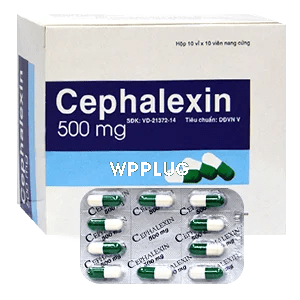
| Product dosage: 250mg | |||
|---|---|---|---|
| Package (num) | Per pill | Price | Buy |
| 60 | $1.01 | $60.38 (0%) | 🛒 Add to cart |
| 90 | $0.96 | $90.56 $86.54 (4%) | 🛒 Add to cart |
| 120 | $0.93 | $120.75 $111.70 (8%) | 🛒 Add to cart |
| 180 | $0.91 | $181.13 $163.01 (10%) | 🛒 Add to cart |
| 270 | $0.89 | $271.69 $239.49 (12%) | 🛒 Add to cart |
| 360 | $0.89
Best per pill | $362.26 $318.99 (12%) | 🛒 Add to cart |
| Product dosage: 500mg | |||
|---|---|---|---|
| Package (num) | Per pill | Price | Buy |
| 60 | $1.17 | $70.44 (0%) | 🛒 Add to cart |
| 90 | $1.12 | $105.66 $100.63 (5%) | 🛒 Add to cart |
| 120 | $1.10 | $140.88 $131.82 (6%) | 🛒 Add to cart |
| 180 | $1.08 | $211.32 $194.21 (8%) | 🛒 Add to cart |
| 270 | $1.05 | $316.97 $284.77 (10%) | 🛒 Add to cart |
| 360 | $1.05
Best per pill | $422.63 $376.34 (11%) | 🛒 Add to cart |

Keflex: Effective First-Line Cephalosporin Antibiotic Therapy
Keflex, known generically as cephalexin, is a first-generation cephalosporin antibiotic prescribed for the treatment of a wide range of bacterial infections. It operates by inhibiting bacterial cell wall synthesis, leading to cell lysis and death. This medication is a cornerstone in outpatient management due to its reliable spectrum of activity against many common pathogens, favorable safety profile, and well-established efficacy in both adult and pediatric populations. Healthcare providers frequently rely on Keflex for its predictable pharmacokinetics and broad clinical utility across multiple organ systems.
Features
- Active Ingredient: Cephalexin monohydrate
- Drug Class: First-generation cephalosporin antibiotic
- Available Forms: 250 mg, 500 mg, and 750 mg capsules; 125 mg/5 mL and 250 mg/5 mL oral suspensions
- Mechanism of Action: Inhibits bacterial cell wall synthesis by binding to penicillin-binding proteins (PBPs)
- Spectrum of Activity: Effective against many Gram-positive bacteria, including Staphylococcus aureus (non-MRSA) and Streptococcus pyogenes, and some Gram-negative bacteria
- Bioavailability: Well-absorbed from the gastrointestinal tract, with peak serum concentrations achieved within 1 hour
- Half-Life: Approximately 0.5–1.2 hours in adults with normal renal function
Benefits
- Provides rapid bactericidal action against susceptible organisms, reducing bacterial load and alleviating symptoms
- Offers broad utility for skin, respiratory, urinary tract, and bone infections, minimizing the need for multiple antibiotics
- Demonstrates a well-documented safety and tolerability profile suitable for both adults and children
- Available in multiple formulations, allowing for flexible and weight-based dosing in pediatric patients
- Lower risk of Clostridioides difficile infection compared to broader-spectrum antibiotics
- Cost-effective option with widespread insurance coverage and generic availability
Common use
Keflex is indicated for the treatment of bacterial infections caused by susceptible strains of microorganisms. Common uses include skin and soft tissue infections such as cellulitis and impetigo; respiratory tract infections including pharyngitis, tonsillitis, and bronchitis; otitis media (middle ear infection); bone and joint infections; and genitourinary tract infections, including uncomplicated cystitis. It is also used for surgical prophylaxis in certain clean-contaminated procedures. Culture and susceptibility testing should be performed to guide therapy, though empiric use is common in outpatient settings where typical pathogens are suspected.
Dosage and direction
Dosage varies based on the infection type, severity, patient age, and renal function. For adults, the typical dose ranges from 250 mg to 1000 mg every 6 to 12 hours. For mild to moderate infections, 250 mg every 6 hours is often sufficient; for more severe infections, 500 mg every 6–8 hours or higher may be required. Pediatric dosing is typically 25–50 mg/kg/day divided into 2–4 doses, not to exceed adult dosing. In patients with renal impairment, dosage adjustment is necessary—for example, with a creatinine clearance of 10–50 mL/min, dosing intervals may be extended to every 12–24 hours. Keflex may be taken with or without food; taking with food may help minimize gastrointestinal upset. Complete the full prescribed course even if symptoms improve earlier to prevent resistance and recurrence.
Precautions
Use with caution in patients with a history of gastrointestinal disease, particularly colitis. Prolonged use may result in fungal or bacterial superinfection, including oral thrush or vaginitis. Monitor renal function periodically in patients with pre-existing renal impairment, as cephalexin is primarily excreted by the kidneys. In patients with diabetes, be aware that cephalexin may cause false-positive urine glucose tests when using cupric sulfate solution (e.g., Clinitest). Use in pregnancy only if clearly needed; cephalexin crosses the placenta and should be used during lactation only if the potential benefit justifies the potential risk to the infant.
Contraindications
Keflex is contraindicated in patients with known hypersensitivity to cephalexin or any component of the formulation. It is also contraindicated in patients with a history of severe hypersensitivity reactions (e.g., anaphylaxis) to other cephalosporins. Cross-sensitivity with penicillins may occur; caution is advised in penicillin-allergic patients. Do not use in infections caused by methicillin-resistant Staphylococcus aureus (MRSA), Enterococcus species, or other resistant organisms not covered by cephalexin’s spectrum.
Possible side effect
Common side effects include gastrointestinal disturbances such as diarrhea, nausea, vomiting, abdominal pain, and dyspepsia. Other frequently reported reactions include dizziness, fatigue, headache, and genital pruritus or vaginitis. Skin reactions like rash, urticaria, and pruritus may occur. Less common but serious adverse effects include pseudomembranous colitis (indicated by severe diarrhea), hypersensitivity reactions ranging from rash to anaphylaxis, reversible interstitial nephritis, hepatitis, and hematologic effects such as neutropenia or thrombocytopenia. Discontinue use and seek medical attention if severe reactions occur.
Drug interaction
Probenecid may inhibit renal excretion of cephalexin, increasing serum levels and prolonging half-life. Concurrent use with other nephrotoxic drugs (e.g., aminoglycosides, loop diuretics) may increase the risk of renal dysfunction. Cephalexin may potentiate the effects of oral anticoagulants like warfarin, possibly increasing INR and bleeding risk; monitor coagulation parameters closely. Use with metformin may increase metformin concentrations and potential for lactic acidosis; consider monitoring. False-positive direct Coombs test results have been reported.
Missed dose
If a dose is missed, take it as soon as remembered unless it is almost time for the next dose. In that case, skip the missed dose and resume the regular dosing schedule. Do not double the dose to make up for a missed one. Maintaining consistent antibiotic levels is important for efficacy, so try to adhere to the prescribed schedule as closely as possible.
Overdose
Symptoms of overdose may include nausea, vomiting, epigastric distress, diarrhea, and hematuria. In cases of significant overdose, neurotoxicity including seizures may occur, particularly in patients with renal impairment. Management is supportive and symptomatic; gastric lavage may be considered if ingestion was recent. Hemodialysis can aid in removal of cephalexin from the bloodstream, especially in patients with compromised renal function.
Storage
Store at room temperature, 20°–25°C (68°–77°F), in a tightly closed container. Protect from light and moisture. Keep the oral suspension refrigerated after reconstitution; discard any unused portion after 14 days. Keep out of reach of children and pets. Do not flush medications down the toilet or pour into drainage; dispose of unused medication through a medicine take-back program or according to local guidelines.
Disclaimer
This information is for educational purposes and does not replace professional medical advice, diagnosis, or treatment. Always consult a qualified healthcare provider for personalized recommendations based on your health status and specific condition. Do not initiate, adjust, or discontinue any medication without medical supervision. The content provided is based on current medical literature but may not encompass all recent developments or individual variations.
Reviews
Keflex is widely regarded in the medical community for its efficacy and reliability in treating common bacterial infections. Clinicians appreciate its predictable action and favorable tolerability in most patient populations. In dermatology and primary care, it is often a first-line choice for uncomplicated skin infections. Some reviews note gastrointestinal side effects as a common reason for discontinuation, though these are typically mild. Resistance patterns are evolving, and susceptibility testing is increasingly emphasized. Overall, it remains a trusted option within its spectrum of activity.