

| Product dosage: 12mg | |||
|---|---|---|---|
| Package (num) | Per pill | Price | Buy |
| 10 | $6.74 | $67.43 (0%) | 🛒 Add to cart |
| 20 | $5.74 | $134.86 $114.73 (15%) | 🛒 Add to cart |
| 30 | $5.40 | $202.29 $162.03 (20%) | 🛒 Add to cart |
| 60 | $5.08 | $404.58 $304.94 (25%) | 🛒 Add to cart |
| 90 | $4.98 | $606.87 $447.85 (26%) | 🛒 Add to cart |
| 120 | $4.92 | $809.16 $590.76 (27%) | 🛒 Add to cart |
| 180 | $4.88
Best per pill | $1213.73 $877.59 (28%) | 🛒 Add to cart |
Synonyms | |||
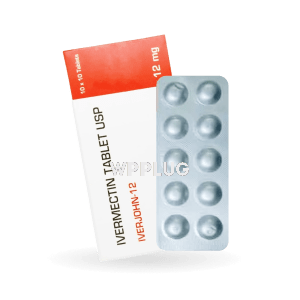


Ivermectol: Targeted Parasite Control with Precision Efficacy
Ivermectol represents a significant advancement in antiparasitic therapy, offering healthcare professionals a potent and selective treatment option against a broad spectrum of parasitic infestations. This semi-synthetic derivative of avermectin B1 exhibits a unique mechanism of action, targeting invertebrate-specific glutamate-gated chloride channels with high affinity. Its formulation ensures reliable bioavailability and a favorable safety profile when administered according to established treatment protocols. Ivermectol stands as a cornerstone in clinical parasitology, providing predictable therapeutic outcomes across multiple indications.
Features
- Contains ivermectin as the active pharmaceutical ingredient (typically 3mg or 6mg tablets)
- Standardized formulation ensuring consistent dose delivery
- High binding affinity for glutamate-gated chloride channels in invertebrates
- Lipophilic properties enabling widespread tissue distribution
- Minimal metabolism in humans, primarily excreted unchanged in feces
- Demonstrated activity against nematodes, arthropods, and certain ectoparasites
- Manufactured under strict pharmaceutical quality control standards
- Temperature-stable composition maintaining potency under recommended storage conditions
Benefits
- Achieves rapid reduction in parasitic load within treated populations
- Provides broad-spectrum coverage against multiple parasite species
- Demonstrates selective toxicity to parasites while sparing mammalian hosts
- Offers convenient single-dose regimens for many indications
- Reduces transmission potential in endemic areas through mass drug administration
- Supports community-wide parasite control programs with established safety data
- Minimizes development of resistance through targeted mechanism of action
- Facilitates improved nutritional status and reduced morbidity in affected individuals
Common use
Ivermectol is primarily indicated for the treatment of various parasitic infections, with strong evidence supporting its use in onchocerciasis (river blindness), strongyloidiasis, and lymphatic filariasis. The medication demonstrates particular efficacy against nematode infections, including ascariasis, trichuriasis, and enterobiasis. In scabies infestations, particularly crusted scabies in immunocompromised patients, Ivermectol provides an effective alternative to topical agents. Veterinary applications include treatment of heartworm prevention in dogs and control of parasitic infections in livestock. Off-label uses may include management of certain ectoparasitic infestations when standard therapies prove insufficient.
Dosage and direction
Dosage must be individualized based on patient weight, specific infection, and clinical context. For onchocerciasis: 150 mcg/kg as a single oral dose, repeated every 6-12 months as needed. Strongyloidiasis: 200 mcg/kg as a single oral dose. Lymphatic filariasis: 200-400 mcg/kg as a single dose in combination with albendazole. Scabies: 200 mcg/kg as a single dose, repeated after 1-2 weeks for severe cases. Administration should occur on an empty stomach with water to maximize absorption. Dosage adjustments may be necessary for patients with hepatic impairment. Pediatric dosing follows the same mcg/kg calculations as adults, with careful attention to accurate weight assessment.
Precautions
Exercise caution in patients with central nervous system disorders due to potential increased permeability of the blood-brain barrier. Monitor patients with hepatic impairment for altered drug metabolism. Use during pregnancy only if potential benefits justify potential risks to the fetus. Breastfeeding mothers should consider temporary cessation of nursing following administration. Perform thorough ophthalmological examination in patients with onchocerciasis due to potential Mazzotti reaction. Ensure adequate hydration in patients experiencing diarrhea post-administration. Consider potential interactions with other medications that affect P-glycoprotein transport systems.
Contraindications
Hypersensitivity to ivermectin or any component of the formulation. Concomitant use with other medications that increase blood-brain barrier permeability. Patients with history of severe neurological adverse reactions to previous ivermectin administration. Treatment of infections in children weighing less than 15 kg unless specifically indicated and monitored. Use in patients with known Loa loa coinfection due to risk of serious encephalopathic reactions. Avoid administration in patients with meningitis or other active central nervous system infections.
Possible side effect
Common reactions include dizziness, pruritus, fever, and mild gastrointestinal disturbances. Mazzotti-type reactions may occur in onchocerciasis patients, characterized by arthralgia, lymphadenopathy, and skin edema. Transient orthostatic hypotension has been reported in some patients. Rare but serious adverse effects include severe skin reactions, hepatitis, and neurological symptoms including ataxia and altered mental status. Ocular inflammation may occur in patients with heavy microfilarial loads. Most adverse reactions are self-limiting and resolve within 48-72 hours without intervention.
Drug interaction
Potent CYP3A4 inhibitors (ketoconazole, ritonavir) may increase ivermectin concentrations. Barbiturates, benzodiazepines, and valproic acid may enhance CNS depression effects. Warfarin and other anticoagulants may require dosage adjustment due to potential protein binding displacement. Concurrent use with other parasite treatments should be carefully considered for additive effects. Medications that inhibit P-glycoprotein may significantly increase ivermectin bioavailability. Monitor patients closely when administering with drugs known to prolong QT interval.
Missed dose
If a scheduled dose is missed, administer as soon as possible unless it is接近 the time for the next scheduled dose. Do not double doses to make up for missed administration. For mass drug administration programs, implement catch-up dosing according to program-specific guidelines. In individual treatment regimens, consult prescribing healthcare provider for guidance on dose timing adjustments. Maintain appropriate intervals between doses to prevent accumulation and potential toxicity.
Overdose
Symptoms may include gastrointestinal distress, neurological manifestations (dizziness, ataxia, seizures), and respiratory depression. Management involves gastric lavage if presentation is early after ingestion, followed by activated charcoal administration. Provide supportive care including maintenance of airway and adequate hydration. Hemodialysis is not effective due to high protein binding and extensive tissue distribution. Monitor neurological status closely and implement seizure precautions if indicated. Contact poison control center for specific management recommendations.
Storage
Store at controlled room temperature (15-30°C) in original packaging. Protect from moisture and excessive heat. Keep container tightly closed when not in use. Do not freeze medication. Keep out of reach of children and pets. Discard any tablets that show signs of physical deterioration or discoloration. Check expiration date before administration. Do not transfer to alternative containers that may compromise stability.
Disclaimer
This information is provided for educational purposes only and does not constitute medical advice. Healthcare professionals should exercise clinical judgment when prescribing Ivermectol. Always verify current prescribing information and local treatment guidelines. Dosage recommendations may vary based on regional endemic patterns and individual patient factors. Report adverse events through appropriate pharmacovigilance channels. The manufacturer assumes no responsibility for improper use or dosage miscalculations.
Reviews
Clinical studies demonstrate high efficacy rates exceeding 90% for many indicated parasitic infections. Systematic reviews confirm favorable benefit-risk profile in mass drug administration programs. Healthcare providers report good patient tolerance and compliance with recommended regimens. Post-marketing surveillance data supports the established safety profile when used according to guidelines. Ongoing research continues to explore potential expanded applications in parasitic disease management. Long-term follow-up studies show sustained effectiveness in control programs with appropriate treatment intervals.