Glycomet: Advanced Blood Glucose Control for Diabetes Management
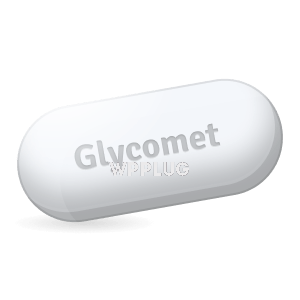
| Product dosage: 500mg | |||
|---|---|---|---|
| Package (num) | Per pill | Price | Buy |
| 180 | $0.24 | $43.21 (0%) | 🛒 Add to cart |
| 270 | $0.21 | $64.81 $57.27 (12%) | 🛒 Add to cart |
| 360 | $0.20
Best per pill | $86.41 $71.34 (17%) | 🛒 Add to cart |
Similar products


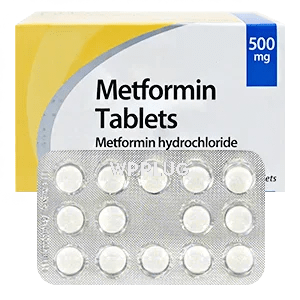
Glycomet is a leading oral antidiabetic medication containing metformin hydrochloride, specifically formulated for the management of type 2 diabetes mellitus. As a first-line pharmacological intervention, it works by decreasing hepatic glucose production, reducing intestinal glucose absorption, and improving insulin sensitivity. This medication is typically prescribed alongside dietary modifications and physical activity to achieve optimal glycemic control. Glycomet represents a cornerstone in diabetes therapy, offering proven efficacy and a well-established safety profile.
Features
- Contains metformin hydrochloride as the active pharmaceutical ingredient
- Available in multiple strengths: 500 mg, 850 mg, and 1000 mg tablets
- Film-coated tablets for easier swallowing and reduced gastrointestinal irritation
- Manufactured under strict GMP (Good Manufacturing Practice) guidelines
- Bioequivalent to reference listed drugs with consistent pharmacokinetic profile
- Extended-release formulation available for once-daily dosing convenience
Benefits
- Effectively lowers both fasting and postprandial blood glucose levels
- Reduces hemoglobin A1c (HbA1c) by approximately 1-2% in most patients
- Associated with weight neutrality or modest weight loss, unlike some other antidiabetic agents
- Demonstrates cardiovascular protective effects in long-term use
- Low risk of hypoglycemia when used as monotherapy
- May improve lipid profile by reducing triglycerides and LDL cholesterol
Common use
Glycomet is primarily indicated for the management of type 2 diabetes mellitus in adults and children over 10 years of age. It is used as monotherapy or in combination with other oral antidiabetic agents or insulin when glycemic control is not achieved with diet and exercise alone. The medication may also be prescribed for off-label uses including polycystic ovary syndrome (PCOS) and prediabetes under specialist supervision. Clinical studies demonstrate its effectiveness across diverse patient populations, including those with obesity and metabolic syndrome.
Dosage and direction
The initial recommended dosage is typically 500 mg twice daily or 850 mg once daily, taken with meals to minimize gastrointestinal side effects. Dosage should be titrated gradually based on therapeutic response and tolerability, with increases usually made at weekly intervals. The maximum recommended daily dose is 2550 mg administered in divided doses, though many patients achieve control with 1500-2000 mg daily. Extended-release formulations are usually administered once daily with the evening meal. Patients should swallow tablets whole without crushing or chewing. Regular monitoring of renal function is recommended before initiation and periodically during treatment.
Precautions
Prior to initiating Glycomet therapy, assess renal function through estimation of glomerular filtration rate (eGFR). Use with caution in elderly patients and those with conditions that may predispose to renal impairment. Temporary discontinuation may be necessary during procedures using intravascular iodinated contrast materials. Monitor vitamin B12 levels annually, as long-term use may impair absorption. Exercise caution in patients with hepatic impairment or conditions predisposing to tissue hypoxia. Educate patients about recognizing symptoms of lactic acidosis, though this adverse effect remains rare when prescribed appropriately.
Contraindications
Glycomet is contraindicated in patients with severe renal impairment (eGFR below 30 mL/min/1.73m²) or renal disease. Additional contraindications include acute or chronic metabolic acidosis, including diabetic ketoacidosis. The medication should not be used in patients with history of hypersensitivity to metformin or any component of the formulation. Temporary discontinuation is required during conditions associated with hypoxemia, dehydration, or sepsis. Use is contraindicated in acute congestive heart failure requiring pharmacological treatment and in patients undergoing radiological studies involving intravascular iodinated contrast materials.
Possible side effects
The most common adverse reactions involve the gastrointestinal system, including diarrhea, nausea, vomiting, abdominal discomfort, and anorexia, which typically occur during initiation and often resolve with continued therapy. These effects can be minimized by gradual dose titration and administration with food. Other reported side effects include metallic taste, decreased vitamin B12 absorption, and rarely, lactic acidosis—a serious metabolic complication requiring immediate medical attention. Dermatological reactions such as erythema, pruritus, and urticaria may occur infrequently. Hepatic enzyme elevations have been reported in some cases.
Drug interaction
Glycomet demonstrates several clinically significant interactions: Cationic drugs (amiloride, digoxin, morphine, procainamide, quinidine, quinine, ranitidine, triamterene, trimethoprim, or vancomycin) may compete for renal tubular transport systems, potentially increasing metformin blood levels. Alcohol potentiates the effect of metformin on lactate metabolism and should be avoided or consumed moderately. Corticosteroids, diuretics, and sympathomimetics may reduce hypoglycemic effectiveness. Concomitant use with other hypoglycemic agents may enhance glucose-lowering effects. Certain iodinated contrast materials may increase the risk of lactic acidosis and require temporary discontinuation.
Missed dose
If a dose is missed, patients should take it as soon as remembered unless it is nearly time for the next scheduled dose. In that case, the missed dose should be skipped, and the regular dosing schedule resumed. Patients should never take a double dose to make up for a missed one. Consistency in dosing is important for maintaining stable glycemic control, so patients should establish routines to minimize missed doses. If multiple doses are missed, patients should contact their healthcare provider for guidance on resuming therapy, as dosage adjustments may be necessary.
Overdose
Metformin overdose, particularly doses exceeding 10 grams, may lead to hypoglycemia and lactic acidosis. Symptoms of hypoglycemia include sweating, trembling, blurred vision, tingling lips, paleness, fast heartbeat, anxiety, confusion, and difficulty concentrating. Lactic acidosis presents with nonspecific symptoms including malaise, myalgia, respiratory distress, abdominal pain, hypothermia, hypotension, and bradyarrhythmias. Management involves immediate gastric lavage if presented early, supportive measures, and correction of electrolyte imbalances. Hypoglycemia should be treated with glucose administration. Hemodialysis effectively removes metformin and corrects acidosis, with clearance approximately 3.5 times greater than renal clearance.
Storage
Store Glycomet tablets at controlled room temperature between 20°C to 25°C (68°F to 77°F), with excursions permitted between 15°C to 30°C (59°F to 86°F). Keep the medication in its original container with the lid tightly closed to protect from moisture and light. Do not store in bathroom cabinets where humidity levels fluctuate. Keep out of reach of children and pets. Do not use tablets that show signs of physical damage, discoloration, or that are beyond the expiration date printed on the packaging. Proper storage ensures maintenance of pharmaceutical stability and efficacy throughout the shelf life.
Disclaimer
This information is provided for educational purposes only and does not constitute medical advice. Glycomet is a prescription medication that should be used only under the supervision of a qualified healthcare professional. Individual response to therapy may vary, and treatment decisions should be based on professional medical judgment considering the patient’s complete medical history. The prescribing physician should be consulted for specific dosage recommendations and management of potential side effects or interactions. Never discontinue or adjust medication without medical supervision.
Reviews
Clinical studies consistently demonstrate Glycomet’s efficacy in diabetes management. The UK Prospective Diabetes Study (UKPDS) established metformin’s superiority in overweight patients, showing significant reductions in diabetes-related endpoints and all-cause mortality. More recent meta-analyses confirm its position as first-line therapy, with A1c reductions of 1.12% on average. Patient satisfaction surveys indicate good tolerability with appropriate dose titration, though gastrointestinal side effects remain the most common reason for discontinuation. Real-world evidence supports its cardiovascular benefits and cost-effectiveness in long-term diabetes management.