
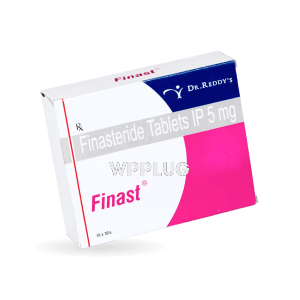
| Product dosage: 1mg | |||
|---|---|---|---|
| Package (num) | Per pill | Price | Buy |
| 60 | $2.03 | $121.78 $121.78 (0%) | 🛒 Add to cart |
| 90 | $1.98 | $182.66 $178.14 (2%) | 🛒 Add to cart |
| 120 | $1.89 | $243.55 $226.44 (7%) | 🛒 Add to cart |
| 180 | $1.72 | $365.33 $309.98 (15%) | 🛒 Add to cart |
| 270 | $1.60
Best per pill | $547.99 $432.76 (21%) | 🛒 Add to cart |
| Product dosage: 5mg | |||
|---|---|---|---|
| Package (num) | Per pill | Price | Buy |
| 30 | $2.62 | $78.50 (0%) | 🛒 Add to cart |
| 60 | $2.28 | $157.00 $136.87 (13%) | 🛒 Add to cart |
| 90 | $2.17 | $235.50 $195.24 (17%) | 🛒 Add to cart |
| 120 | $2.11 | $314.00 $252.61 (20%) | 🛒 Add to cart |
| 180 | $2.05 | $471.00 $369.35 (22%) | 🛒 Add to cart |
| 270 | $2.01
Best per pill | $706.50 $543.46 (23%) | 🛒 Add to cart |
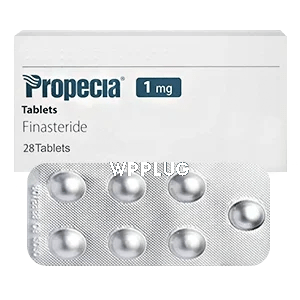

Finast: Clinically Proven 5α-Reductase Inhibition for Androgen-Related Conditions
Finast represents a significant advancement in the management of androgen-mediated dermatological and endocrine disorders. As a selective Type II 5α-reductase inhibitor, it specifically targets the enzymatic conversion of testosterone to dihydrotestosterone (DHT), the primary androgen implicated in conditions such as androgenetic alopecia and benign prostatic hyperplasia. Its mechanism offers a targeted therapeutic approach with well-established efficacy and safety profiles documented across numerous clinical trials and real-world applications. This medication requires proper medical supervision and is indicated for specific patient populations under professional guidance.
Features
- Contains finasteride as active pharmaceutical ingredient
- Available in 1mg and 5mg tablet formulations
- Selective Type II 5α-reductase inhibition
- High oral bioavailability (>90%)
- Extensive hepatic metabolism via CYP3A4
- Plasma half-life of approximately 6-8 hours
- Demonstrated dose-dependent DHT suppression
- Manufactured under cGMP standards
- Multiple therapeutic strengths for condition-specific dosing
- Blister-packed for stability and compliance
Benefits
- Significantly reduces scalp and serum DHT levels by up to 70%
- Promotes hair regrowth and prevents further hair loss in male pattern baldness
- Reduces prostate volume and improves urinary flow in BPH
- Minimizes the risk of acute urinary retention and prostate surgery
- Well-tolerated with established long-term safety data
- Convenient once-daily dosing regimen
Common use
Finast is primarily prescribed for the treatment of male pattern hair loss (androgenetic alopecia) in men, utilizing the 1mg formulation. The 5mg strength is indicated for the treatment of symptomatic benign prostatic hyperplasia (BPH) in men with an enlarged prostate to improve urinary flow and reduce the risk of urinary retention. Some off-label applications include hirsutism management in certain clinical scenarios, though this requires specialist endocrine consultation. Treatment response typically becomes evident within 3-6 months of continuous therapy, with maximal effects observed after 12-24 months of consistent use.
Dosage and direction
For androgenetic alopecia: 1mg orally once daily, with or without food. For benign prostatic hyperplasia: 5mg orally once daily. Tablets should be swallowed whole with water and not crushed or divided. Consistent daily administration is essential for therapeutic efficacy. Patients should be advised that discontinuation of treatment leads to reversal of benefits within 12 months. Dosage adjustment in renal impairment is generally not required, while hepatic impairment necessitates careful monitoring. Treatment should be continued long-term for sustained benefits unless contraindications develop.
Precautions
Before initiating therapy, conduct thorough medical evaluation including digital rectal examination and PSA testing when indicated for BPH patients. Women who are or may become pregnant must not handle crushed or broken tablets due to risk of absorption through skin and potential teratogenic effects. Regular monitoring of PSA levels is recommended during treatment as finasteride alters PSA values (typically reducing them by approximately 50%). Patients should be counseled about potential sexual side effects and the timeline for therapeutic response. Periodic assessment of treatment benefit and side effect profile is recommended at 3-6 month intervals initially, then annually.
Contraindications
Hypersensitivity to finasteride or any component of the formulation. Use in women who are pregnant or attempting to conceive is absolutely contraindicated due to risk of abnormalities in male fetus genital development. Pediatric patients and women of childbearing potential should not use this medication. Patients with history of orthostatic hypotension should use with caution. Concomitant use with other 5α-reductase inhibitors is contraindicated. Patients with severe hepatic impairment require careful risk-benefit assessment before initiation.
Possible side effects
The most commonly reported adverse effects include decreased libido (3.4-3.8%), erectile dysfunction (4.9-8.1%), and ejaculation disorders (2.1-3.7%). These effects typically occur within the first year of treatment and may persist in some patients after discontinuation. Less frequent side effects include breast tenderness and enlargement (0.5-2.2%), skin rash (1.1%), and depression (1.2%). Post-marketing surveillance has reported rare cases of male breast cancer, though causal relationship remains uncertain. Most adverse effects are reversible upon discontinuation, though some patients report persistent sexual dysfunction.
Drug interaction
Finasteride metabolism may be affected by strong CYP3A4 inhibitors such as ketoconazole, itraconazole, ritonavir, and clarithromycin, potentially increasing finasteride exposure. No clinically significant interactions have been observed with warfarin, digoxin, propranolol, theophylline, or antipyrine. Concurrent use with alpha-blockers (tamsulosin, doxazosin) for BPH requires careful blood pressure monitoring. Avoid concomitant use with dutasteride or other 5α-reductase inhibitors due to potential additive effects. Herbal supplements like saw palmetto may have theoretical interactions though clinical significance remains unclear.
Missed dose
If a dose is missed, patients should take it as soon as remembered unless it is almost time for the next scheduled dose. In that case, the missed dose should be skipped and the regular dosing schedule resumed. Patients should not double the dose to make up for a missed administration. Consistent daily dosing is important for maintaining stable DHT suppression, but occasional missed doses are unlikely to significantly impact long-term efficacy. Patients should be educated about maintaining regular dosing patterns for optimal therapeutic outcomes.
Overdose
No specific antidote for finasteride overdose exists. Single doses up to 400mg and multiple doses up to 80mg/day for three months have been administered without significant adverse effects. In case of suspected overdose, symptomatic and supportive treatment should be initiated. Gastric lavage may be considered if ingestion occurred within a short timeframe. Monitoring for potential orthostatic hypotension is recommended. Hemodialysis is unlikely to be beneficial due to high protein binding. Patients should be advised to store medication safely to prevent accidental ingestion by children or pets.
Storage
Store at controlled room temperature (20-25°C or 68-77°F) with excursions permitted between 15-30°C (59-86°F). Protect from light and moisture. Keep in original container with lid tightly closed. Do not transfer to alternative containers. Keep out of reach of children and pets. Properly discard any expired or unused medication through medication take-back programs or according to local regulations. Do not flush medications down the toilet or drain unless specifically instructed to do so.
Disclaimer
This information is provided for educational purposes only and does not constitute medical advice. Finast is a prescription medication that should only be used under the supervision of a qualified healthcare professional. Individual results may vary based on patient-specific factors including age, concomitant conditions, and genetic factors. Patients should consult their healthcare provider for proper diagnosis and treatment recommendations. Never initiate or discontinue medication without professional medical guidance.
Reviews
Clinical studies demonstrate significant patient satisfaction with 83% of men with androgenetic alopecia reporting stabilization or improvement of hair loss after 12 months of treatment. In BPH trials, 69% of patients experienced improved urinary symptom scores compared to placebo. Long-term extension studies show maintained efficacy with continuous use up to 10 years. Real-world evidence supports the clinical trial findings, though individual responses vary. Dermatologists and urologists consistently rate finasteride as a first-line treatment option for appropriate candidates based on its favorable risk-benefit profile and extensive clinical experience.