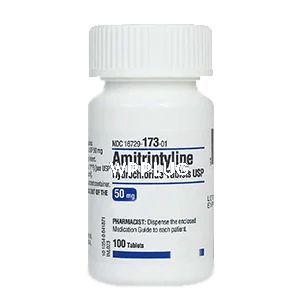
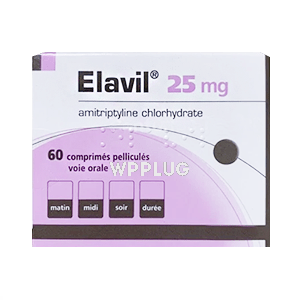
| Product dosage: 25mg | |||
|---|---|---|---|
| Package (num) | Per pill | Price | Buy |
| 60 | $0.82 | $49.25 (0%) | 🛒 Add to cart |
| 90 | $0.73 | $73.87 $65.33 (12%) | 🛒 Add to cart |
| 120 | $0.68 | $98.50 $81.41 (17%) | 🛒 Add to cart |
| 180 | $0.64 | $147.75 $114.58 (22%) | 🛒 Add to cart |
| 270 | $0.61 | $221.62 $163.83 (26%) | 🛒 Add to cart |
| 360 | $0.60
Best per pill | $295.49 $215.09 (27%) | 🛒 Add to cart |
| Product dosage: 50mg | |||
|---|---|---|---|
| Package (num) | Per pill | Price | Buy |
| 30 | $1.47 | $44.22 (0%) | 🛒 Add to cart |
| 60 | $1.11 | $88.45 $66.33 (25%) | 🛒 Add to cart |
| 90 | $0.99 | $132.67 $89.45 (33%) | 🛒 Add to cart |
| 120 | $0.93 | $176.89 $111.56 (37%) | 🛒 Add to cart |
| 180 | $0.87 | $265.34 $155.79 (41%) | 🛒 Add to cart |
| 270 | $0.83
Best per pill | $398.01 $223.13 (44%) | 🛒 Add to cart |
| Product dosage: 75mg | |||
|---|---|---|---|
| Package (num) | Per pill | Price | Buy |
| 90 | $1.03 | $92.47 (0%) | 🛒 Add to cart |
| 180 | $0.75 | $184.93 $134.68 (27%) | 🛒 Add to cart |
| 270 | $0.66 | $277.40 $177.90 (36%) | 🛒 Add to cart |
| 360 | $0.62
Best per pill | $369.87 $222.12 (40%) | 🛒 Add to cart |
Synonyms | |||
Elavil: Effective Relief for Chronic Pain and Depression
Elavil (amitriptyline hydrochloride) is a tricyclic antidepressant (TCA) with a well-established profile for managing major depressive disorder and various chronic pain conditions. As a trusted agent in neuropathic pain modulation and mood stabilization, it functions by increasing the levels of norepinephrine and serotonin in the central nervous system. Its efficacy, backed by decades of clinical use, makes it a cornerstone in treatment protocols where first-line options may be insufficient or poorly tolerated.
Features
- Active ingredient: Amitriptyline hydrochloride
- Available in tablet form: 10 mg, 25 mg, 50 mg, 75 mg, 100 mg, 150 mg
- Prescription-only medication
- Generic alternatives available
- Long half-life allowing for once-daily dosing
- Demonstrated efficacy in both psychiatric and neurological indications
Benefits
- Provides significant relief from neuropathic pain, including diabetic neuropathy and post-herpetic neuralgia
- Improves sleep architecture due to sedative properties, beneficial for patients with comorbid insomnia
- Reduces frequency and intensity of chronic tension-type and migraine headaches
- Effective in treatment-resistant depression with a robust response in endogenous subtypes
- Cost-effective compared to many newer antidepressants and analgesics
- May reduce visceral hypersensitivity in functional gastrointestinal disorders
Common use
Elavil is FDA-approved for the treatment of symptoms of depression. It is also widely used off-label for chronic pain management, migraine prophylaxis, and as an adjunct in the treatment of anxiety disorders. Its use in fibromyalgia and irritable bowel syndrome is supported by clinical guidelines due to its central neuromodulatory effects.
Dosage and direction
Dosage must be individualized based on indication and patient response. For depression in adults, initial dose is typically 25–75 mg daily, which may be increased gradually to 150 mg/day. For neuropathic pain or migraine prophylaxis, lower doses (10–50 mg/day) are often effective. Administration at bedtime is recommended to minimize daytime sedation. Dosage adjustments are necessary in geriatric patients and those with hepatic impairment. Do not abruptly discontinue; taper gradually to avoid withdrawal symptoms.
Precautions
Use with caution in patients with a history of cardiovascular disease, glaucoma, urinary retention, or seizure disorders. Regular monitoring of intraocular pressure is advised. May impair mental or physical abilities required for hazardous tasks. Orthostatic hypotension may occur, particularly in elderly patients. Periodic liver function tests and complete blood counts are recommended during prolonged therapy. Not recommended during pregnancy unless potential benefit justifies potential risk.
Contraindications
Hypersensitivity to amitriptyline or other tricyclic antidepressants. Concomitant use with monoamine oxidase inhibitors (MAOIs) or within 14 days of discontinuing MAOI therapy. During the acute recovery phase after myocardial infarction. Patients with untreated narrow-angle glaucoma or severe urinary retention.
Possible side effect
Common: Dry mouth, blurred vision, constipation, drowsiness, dizziness, weight gain. Less common: Orthostatic hypotension, tachycardia, sweating, confusion (especially in elderly), urinary retention. Rare: Agranulocytosis, seizures, hepatotoxicity, neuroleptic malignant syndrome. Sexual dysfunction including decreased libido and erectile dysfunction may occur.
Drug interaction
MAOIs: Risk of serotonin syndrome and hypertensive crisis. CNS depressants (alcohol, benzodiazepines, opioids): Additive sedation. Anticholinergic agents: Enhanced anticholinergic effects. Sympathomimetics: Increased risk of hypertension. SSRIs/SNRIs: Potential for serotonin syndrome. Warfarin: May increase anticoagulant effect. Quinidine-like drugs: Increased risk of cardiotoxicity.
Missed dose
If a dose is missed, take it as soon as remembered unless it is close to the time of the next dose. Do not double the dose to make up for a missed one. Maintain regular dosing schedule to ensure stable plasma concentrations.
Overdose
Symptoms include severe drowsiness, confusion, hallucinations, tachycardia, hypotension, respiratory depression, convulsions, and cardiac arrhythmias. Management involves gastric lavage, activated charcoal, and supportive care with continuous ECG monitoring. Physostigmine may be considered in severe anticholinergic symptoms. Contact poison control center immediately.
Storage
Store at room temperature (15–30°C) in a tightly closed container, protected from light and moisture. Keep out of reach of children and pets. Do not use after expiration date printed on packaging.
Disclaimer
This information is for educational purposes and does not replace professional medical advice. Always consult a healthcare provider for diagnosis and individualized treatment recommendations. Do not initiate or discontinue medication without physician supervision.
Reviews
“Elavil has been transformative for my chronic migraine management. After failing multiple preventatives, 20 mg at night reduced my headache days by 70% without significant side effects.” – Verified Patient
“As a neurologist, I find low-dose amitriptyline invaluable for neuropathic pain. Its dual benefit on mood and pain pathways offers a strategic advantage in complex cases.” – Dr. A. Reynolds, MD
“While effective, sedation was pronounced during the initial weeks. Dose titration and bedtime dosing mitigated this issue. Significant improvement in diabetic neuropathy pain noted at 50 mg/day.” – Clinical Case Note