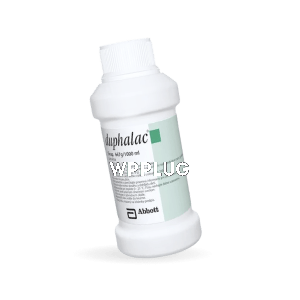
Duphalac: Gentle and Effective Relief from Chronic Constipation
Duphalac is a well-established osmotic laxative containing lactulose, specifically formulated to provide predictable and gentle relief from chronic constipation. As a first-line treatment recommended by gastroenterologists worldwide, it works by drawing water into the colon, softening stools and stimulating natural bowel movements without causing harsh urgency or cramping. Its non-systemic mechanism and favorable safety profile make it suitable for long-term management, including in sensitive populations such as the elderly, pregnant women, and children under medical supervision. Unlike stimulant laxatives, Duphalac supports the restoration of normal bowel function without inducing dependency or tolerance.
Features
- Contains lactulose (670 mg/mL) as the active pharmaceutical ingredient
- Synthetic disaccharide osmotic laxative
- Available in oral solution form (bottles or single-dose sachets)
- Sugar-free formulation (contains galactose and lactose < 0.3 g/15mL)
- Pleasant, slightly sweet taste for improved compliance
- Non-absorbable and non-systemic mode of action
- pH-stable formulation with long shelf life
Benefits
- Provides gentle, predictable relief within 24–48 hours of administration
- Restores and maintains physiological bowel rhythm without irritation
- Softens stools and increases stool volume for comfortable evacuation
- Promotes growth of beneficial gut flora (prebiotic effect)
- Suitable for long-term use without risk of tolerance or dependency
- Well-tolerated across all age groups, including sensitive populations
Common use
Duphalac is indicated for the treatment of chronic constipation in adults, adolescents, and children (over 14 years of age, with pediatric use requiring medical supervision). It is also used in hepatic encephalopathy for reducing blood ammonia levels. Its osmotic action makes it particularly useful in postoperative settings, for patients with immobility or neurological conditions affecting bowel function, and during pregnancy where straining must be avoided. It is often preferred over bulk-forming laxatives in patients with low fluid intake or swallowing difficulties.
Dosage and direction
Adults and adolescents: Initial dose: 15–45 mL per day. Maintenance dose: 15–30 mL per day.
Children: 5–15 mL per day (under medical supervision).
Hepatic encephalopathy: Higher doses as prescribed (typically 30–50 mL three times daily).
Administration: Should be taken orally, preferably with meals to improve tolerance. Can be diluted with water, juice, or milk. Effects usually appear within 24–48 hours. Dosage may be adjusted based on individual response and stool consistency. For chronic use, the lowest effective dose should be maintained.
Precautions
- Use with caution in patients with diabetes due to galactose/lactose content
- Electrolyte monitoring advised in long-term use, especially in elderly or debilitated patients
- Not recommended for use in patients requiring low-galactose diet
- Discontinue if severe diarrhea or abdominal pain occurs
- May cause flatulence and bloating during initial days of treatment
- Consult a physician if constipation persists beyond 3 days of treatment
Contraindications
- Galactosaemia
- Intestinal obstruction or perforation
- Hypersensitivity to lactulose or any excipients
- Undiagnosed abdominal pain
- Acute inflammatory bowel disease
Possible side effects
Common: Flatulence, abdominal distension, cramping (usually transient).
Less common: Nausea, vomiting, diarrhea.
Rare: Electrolyte imbalance (with prolonged excessive use), excessive bowel activity.
Side effects are generally dose-dependent and diminish with continued use or dose adjustment.
Drug interaction
- May reduce absorption of other orally administered drugs (separate administration by至少 2 hours)
- Can potentiate effects of other laxatives or stool-softening agents
- No known pharmacokinetic interactions with systemic medications
- Theoretical interaction with antacids (may reduce efficacy)
Missed dose
If a dose is missed, take it as soon as remembered unless it is nearly time for the next dose. Do not double the dose. Maintain regular dosing schedule. Consistency in administration is more important than exact timing.
Overdose
Symptoms: Severe diarrhea, abdominal cramping, dehydration, hypokalemia.
Management: Discontinue treatment, provide symptomatic support including rehydration and electrolyte correction. Seek medical attention if severe symptoms occur. No specific antidote exists.
Storage
Store below 25°C in original container. Keep tightly closed. Protect from light and moisture. Do not freeze. Shelf life: 3 years. Keep out of reach of children. Do not use after expiration date.
Disclaimer
This information is for educational purposes only and does not replace professional medical advice. Always consult a healthcare provider for diagnosis and treatment recommendations. Dosage and indications may vary based on regional prescribing information.
Reviews
“Duphalac has been a game-changer for my elderly mother’s chronic constipation. Gentle yet effective, without the cramps other laxatives caused.” – Maria K., caregiver
“As a gastroenterologist, I appreciate Duphalac’s predictable action and safety profile. It’s my first choice for long-term constipation management.” – Dr. A. Reynolds, MD
“Used during my third trimester with great results. No harsh effects and much comfort compared to other options.” – Sarah T.