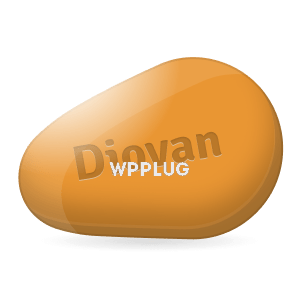
| Product dosage: 160mg | |||
|---|---|---|---|
| Package (num) | Per pill | Price | Buy |
| 30 | $2.49 | $74.56 (0%) | 🛒 Add to cart |
| 60 | $1.90 | $149.12 $113.86 (24%) | 🛒 Add to cart |
| 90 | $1.70 | $223.68 $153.15 (32%) | 🛒 Add to cart |
| 120 | $1.60 | $298.24 $191.44 (36%) | 🛒 Add to cart |
| 180 | $1.49 | $447.36 $269.02 (40%) | 🛒 Add to cart |
| 270 | $1.43 | $671.04 $384.89 (43%) | 🛒 Add to cart |
| 360 | $1.39
Best per pill | $894.72 $501.77 (44%) | 🛒 Add to cart |
| Product dosage: 40mg | |||
|---|---|---|---|
| Package (num) | Per pill | Price | Buy |
| 60 | $1.06 | $63.48 (0%) | 🛒 Add to cart |
| 90 | $1.00 | $95.22 $89.67 (6%) | 🛒 Add to cart |
| 120 | $0.97 | $126.95 $115.87 (9%) | 🛒 Add to cart |
| 180 | $0.94 | $190.43 $169.27 (11%) | 🛒 Add to cart |
| 270 | $0.92 | $285.65 $247.86 (13%) | 🛒 Add to cart |
| 360 | $0.91
Best per pill | $380.86 $326.45 (14%) | 🛒 Add to cart |
| Product dosage: 80mg | |||
|---|---|---|---|
| Package (num) | Per pill | Price | Buy |
| 30 | $1.85 | $55.42 (0%) | 🛒 Add to cart |
| 60 | $1.54 | $110.83 $92.70 (16%) | 🛒 Add to cart |
| 90 | $1.44 | $166.25 $129.98 (22%) | 🛒 Add to cart |
| 120 | $1.41 | $221.67 $169.27 (24%) | 🛒 Add to cart |
| 180 | $1.35 | $332.50 $243.83 (27%) | 🛒 Add to cart |
| 270 | $1.32 | $498.75 $355.67 (29%) | 🛒 Add to cart |
| 360 | $1.30
Best per pill | $665.00 $469.53 (29%) | 🛒 Add to cart |
Synonyms
| |||
Diovan: Effective Blood Pressure Control for Cardiovascular Health
Diovan (valsartan) is an angiotensin II receptor blocker (ARB) prescribed for the management of hypertension and heart failure, as well as to improve survival following myocardial infarction in clinically stable patients with left ventricular dysfunction. It works by blocking the action of angiotensin II, a substance in the body that causes blood vessels to tighten, thereby relaxing blood vessels and lowering blood pressure. This medication is widely recognized for its efficacy, tolerability, and evidence-based benefits in reducing cardiovascular risk. Available in tablet form, Diovan is suitable for long-term use under medical supervision, offering a reliable option within antihypertensive therapeutic strategies.
Features
- Active ingredient: Valsartan
- Drug class: Angiotensin II receptor blocker (ARB)
- Available strengths: 40 mg, 80 mg, 160 mg, 320 mg tablets
- Administration: Oral
- Prescription status: Requires medical prescription
- Manufacturer: Novartis Pharmaceuticals
Benefits
- Effectively lowers high blood pressure, reducing strain on the heart and arteries.
- Decreases the risk of stroke, heart attack, and other cardiovascular events.
- Improves survival in patients with heart failure or after a heart attack.
- Helps protect kidney function in patients with type 2 diabetes and hypertension.
- Generally well-tolerated with a lower incidence of cough compared to ACE inhibitors.
- Supports long-term cardiovascular health with once-daily dosing convenience.
Common use
Diovan is primarily indicated for the treatment of hypertension in adults and children aged 6 years and older. It is also used in adults for heart failure (NYHA Class II–IV) to reduce hospitalization, and for post-myocardial infarction management in clinically stable patients with left ventricular dysfunction or failure. In diabetic patients with hypertension and albuminuria, Diovan may be prescribed to slow the progression of kidney disease.
Dosage and direction
The dosage of Diovan must be individualized based on the patient’s condition and response. For hypertension in adults, the usual starting dose is 80 mg or 160 mg once daily; the maximum dose is 320 mg daily. For heart failure, the recommended starting dose is 40 mg twice daily, titrated to 160 mg twice daily as tolerated. In post-myocardial infarction patients, therapy may be initiated as early as 12 hours post-event, starting at 20 mg twice daily and titrated to 160 mg twice daily. Tablets should be taken with or without food, at approximately the same time each day. Dosage adjustments may be necessary for volume-depleted patients or those with renal impairment.
Precautions
Patients should be monitored for hypotension, especially after initiation or dose escalation. Renal function should be assessed periodically, particularly in those with renal artery stenosis, heart failure, or volume depletion. Use with caution in patients with severe hepatic impairment, as valsartan exposure may increase. Electrolyte imbalances, such as hyperkalemia, may occur; serum potassium should be monitored. Diovan may cause fetal harm if administered during pregnancy; pregnancy should be excluded before starting treatment and avoided during therapy.
Contraindications
Diovan is contraindicated in patients with known hypersensitivity to valsartan or any component of the formulation. It is also contraindicated during pregnancy due to the risk of fetal injury and death. Concomitant use with aliskiren in patients with diabetes is contraindicated.
Possible side effects
Common side effects may include dizziness, headache, fatigue, abdominal pain, diarrhea, and upper respiratory infection. Less frequently, patients may experience hypotension, hyperkalemia, elevated blood creatinine, and renal impairment. Rare but serious side effects include angioedema, decreased renal function, and liver enzyme elevations. Patients should report any signs of allergic reaction, persistent cough, or symptoms suggesting infection.
Drug interaction
Diovan may interact with other medications, including potassium-sparing diuretics, potassium supplements, or salt substitutes (increased risk of hyperkalemia); NSAIDs (may reduce antihypertensive effect and worsen renal function); lithium (increased lithium levels); and other antihypertensive agents (additive effects). Concomitant use with ACE inhibitors or aliskiren is not recommended due to increased risks of hyperkalemia, hypotension, and renal impairment.
Missed dose
If a dose is missed, it should be taken as soon as remembered, unless it is almost time for the next dose. In that case, the missed dose should be skipped and the regular dosing schedule resumed. Doubling the dose to make up for a missed one is not recommended.
Overdose
Symptoms of overdose may include severe hypotension and tachycardia. Bradycardia, electrolyte disturbances, and renal failure have also been reported. Management involves supportive measures, including IV fluids and vasopressors if needed. Valsartan is not significantly removed by hemodialysis.
Storage
Store Diovan tablets at room temperature (20–25°C or 68–77°F), in a dry place, away from light and moisture. Keep out of reach of children and pets. Do not use after the expiration date printed on the packaging.
Disclaimer
This information is for educational purposes only and is not a substitute for professional medical advice, diagnosis, or treatment. Always seek the advice of your physician or other qualified health provider with any questions you may have regarding a medical condition or medication. Do not disregard professional medical advice or delay in seeking it because of something you have read here.
Reviews
Diovan has been extensively studied in clinical trials and is generally well-regarded for its efficacy in blood pressure management and cardiovascular risk reduction. Many patients report satisfactory control of hypertension with minimal side effects. However, individual experiences may vary, and adherence to prescribed dosing and regular follow-up with a healthcare provider is essential for optimal outcomes.