
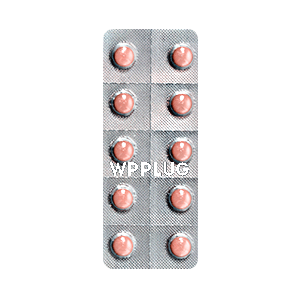
| Product dosage: 100mg | |||
|---|---|---|---|
| Package (num) | Per pill | Price | Buy |
| 90 | $0.55 | $49.43 (0%) | 🛒 Add to cart |
| 180 | $0.41 | $98.87 $73.64 (26%) | 🛒 Add to cart |
| 270 | $0.37 | $148.30 $99.87 (33%) | 🛒 Add to cart |
| 360 | $0.34
Best per pill | $197.73 $122.07 (38%) | 🛒 Add to cart |
| Product dosage: 50mg | |||
|---|---|---|---|
| Package (num) | Per pill | Price | Buy |
| 180 | $0.38 | $67.59 (0%) | 🛒 Add to cart |
| 270 | $0.33 | $101.39 $88.78 (12%) | 🛒 Add to cart |
| 360 | $0.31
Best per pill | $135.18 $110.97 (18%) | 🛒 Add to cart |
Similar products
Diclofenac: Potent Relief from Inflammation and Pain
Diclofenac is a widely prescribed nonsteroidal anti-inflammatory drug (NSAID) renowned for its efficacy in managing acute and chronic pain, reducing inflammation, and alleviating fever. As a potent inhibitor of cyclooxygenase (COX) enzymes, it effectively diminishes prostaglandin synthesis, which are key mediators of pain and inflammatory responses. It is available in multiple formulations—including oral tablets, topical gels, and injectable solutions—to suit diverse clinical needs and patient preferences. Healthcare professionals value diclofenac for its well-established safety profile and rapid onset of action, making it a cornerstone in the treatment of musculoskeletal disorders, postoperative pain, and various arthritic conditions.
Features
- Active Ingredient: Diclofenac sodium or diclofenac potassium
- Available Forms: Oral tablets (immediate-release, delayed-release, extended-release), topical gel, solution for injection, suppositories
- Mechanism of Action: Non-selective cyclooxygenase (COX-1 and COX-2) inhibitor
- Onset of Action: Oral: 30 minutes to 1 hour; Topical: variable, typically within days of regular application
- Duration of Effect: Varies by formulation (e.g., immediate-release: 6–8 hours; extended-release: up to 24 hours)
- Bioavailability: Approximately 50–60% (oral); lower for topical formulations due to limited systemic absorption
- Half-life: 1–2 hours (elimination half-life); however, tissue persistence prolongs therapeutic effect
- Metabolism: Primarily hepatic via cytochrome P450 enzymes (CYP2C9)
- Excretion: Urinary (65%) and biliary (35%)
Benefits
- Provides rapid and effective relief from moderate to severe pain associated with inflammatory conditions
- Reduces swelling, stiffness, and joint tenderness in arthritis patients, improving mobility and quality of life
- Offers flexible administration routes, allowing personalized treatment based on patient needs and contraindications
- Demonstrates a favorable benefit-risk profile when used appropriately under medical supervision
- Helps manage acute gout flares, dysmenorrhea, and postoperative pain with high efficacy
- Topical formulations minimize systemic exposure, reducing the risk of gastrointestinal and cardiovascular adverse events
Common use
Diclofenac is commonly used for the management of pain and inflammation in conditions such as osteoarthritis, rheumatoid arthritis, and ankylosing spondylitis. It is also indicated for acute musculoskeletal pain, including sprains and strains, as well as for postoperative analgesia. Additional uses include treatment of migraine attacks (in some formulations), acute gout, and primary dysmenorrhea. Topical diclofenac is specifically approved for osteoarthritis-related pain in superficial joints, such as the knees and hands.
Dosage and direction
Dosage varies by indication, formulation, and patient factors. For oral tablets in adults, typical doses range from 50 mg two to three times daily for immediate-release, to 100 mg once or twice daily for extended-release formulations. Topical gel (1% or 3%) is applied four times daily to the affected area, not exceeding specified daily amounts (e.g., 32 g per day for 3% gel). Injectable diclofenac is administered intramuscularly, usually at 75 mg once or twice daily. Always take oral diclofenac with food or milk to reduce gastrointestinal irritation. Do not crush, chew, or split extended-release tablets. Adhere strictly to prescribed dosing intervals.
Precautions
Use the lowest effective dose for the shortest duration possible. Monitor renal function, especially in elderly patients or those with pre-existing renal impairment. Avoid use in patients with significant cardiovascular risk factors unless benefits outweigh risks. Caution is advised in patients with a history of gastrointestinal ulcers or bleeding. Topical diclofenac should not be applied to broken or infected skin, and patients should avoid sun exposure on treated areas due to photosensitivity risk. Use with caution in asthmatics, particularly those with aspirin-sensitive asthma.
Contraindications
Diclofenac is contraindicated in patients with known hypersensitivity to diclofenac, aspirin, or other NSAIDs. It should not be used in those who have experienced asthma, urticaria, or allergic-type reactions after taking NSAIDs. Contraindications also include active peptic ulcer disease, recent gastrointestinal bleeding or perforation, severe heart failure, third trimester of pregnancy, and severe hepatic impairment. Do not use in patients undergoing coronary artery bypass graft (CABG) surgery.
Possible side effect
Common side effects include gastrointestinal disturbances such as nausea, dyspepsia, abdominal pain, and diarrhea. Others may include headache, dizziness, and peripheral edema. Serious side effects, though less common, include gastrointestinal bleeding or perforation, cardiovascular thrombotic events (e.g., myocardial infarction, stroke), hepatotoxicity, renal impairment, and severe skin reactions. Topical formulations may cause local reactions like dryness, itching, or rash at the application site.
Drug interaction
Diclofenac may interact with anticoagulants (e.g., warfarin), antiplatelet agents, and SSRIs, increasing bleeding risk. Concurrent use with other NSAIDs or corticosteroids elevates the risk of gastrointestinal adverse events. It may reduce the effectiveness of antihypertensive drugs (e.g., ACE inhibitors, diuretics) and increase lithium and methotrexate levels. CYP2C9 inhibitors (e.g., fluconazole) can elevate diclofenac plasma concentrations. Avoid concomitant use with pentoxifylline due to increased bleeding risk.
Missed dose
If a dose is missed, take it as soon as remembered, unless it is almost time for the next dose. Do not double the dose to catch up. For topical formulations, apply the next dose at the regularly scheduled time. Consistent application is important for maintaining therapeutic effect, especially with chronic conditions.
Overdose
Symptoms of overdose may include nausea, vomiting, epigastric pain, gastrointestinal bleeding, drowsiness, tinnitus, and acute renal failure. In severe cases, respiratory depression, coma, or cardiovascular collapse may occur. There is no specific antidote; management is supportive and includes gastric lavage or activated charcoal (if presented early), and symptomatic treatment. Hemodialysis is not effective due to high protein binding.
Storage
Store at room temperature (20–25°C), away from light, moisture, and heat. Keep oral and topical forms out of reach of children. Do not freeze. For topical gel, ensure the tube is tightly closed when not in use. Do not use beyond the expiration date printed on the packaging.
Disclaimer
This information is for educational purposes only and does not constitute medical advice. Always consult a healthcare professional before starting, changing, or stopping any medication. The use of diclofenac should be based on a thorough evaluation of individual health status and under appropriate medical supervision.
Reviews
“Diclofenac has been instrumental in managing my rheumatoid arthritis flare-ups. The extended-release formulation allows all-day relief with minimal dosing.” – Maria K., 58
“As a physician, I find diclofenac topical gel particularly useful for elderly patients with localized osteoarthritis who cannot tolerate oral NSAIDs.” – Dr. A. Reynolds
“Effective for acute back pain, though I experienced mild heartburn which was manageable with antacids.” – James L., 42
“Prescribed post-surgery, diclofenac injections provided excellent pain control without the sedative effects of opioids.” – Linda T., 36
“Long-term user for ankylosing spondylitis. Regular monitoring has helped me use it safely for years.” – Robert D., 47