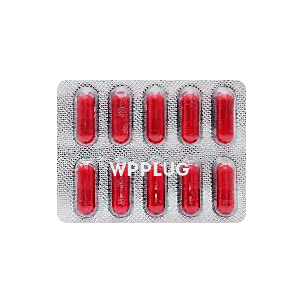
| Product dosage: 100mg | |||
|---|---|---|---|
| Package (num) | Per pill | Price | Buy |
| 30 | $3.66 | $109.81 (0%) | 🛒 Add to cart |
| 60 | $2.99 | $219.61 $179.32 (18%) | 🛒 Add to cart |
| 90 | $2.78 | $329.42 $249.83 (24%) | 🛒 Add to cart |
| 120 | $2.67 | $439.22 $320.35 (27%) | 🛒 Add to cart |
| 180 | $2.56
Best per pill | $658.84 $460.38 (30%) | 🛒 Add to cart |
| Product dosage: 200mg | |||
|---|---|---|---|
| Package (num) | Per pill | Price | Buy |
| 30 | $4.50 | $134.99 (0%) | 🛒 Add to cart |
| 60 | $3.41 | $269.98 $204.50 (24%) | 🛒 Add to cart |
| 90 | $3.04 | $404.97 $274.01 (32%) | 🛒 Add to cart |
| 120 | $2.87 | $539.96 $344.53 (36%) | 🛒 Add to cart |
| 180 | $2.69
Best per pill | $809.94 $483.55 (40%) | 🛒 Add to cart |
| Product dosage: 50mg | |||
|---|---|---|---|
| Package (num) | Per pill | Price | Buy |
| 30 | $2.08 | $62.46 (0%) | 🛒 Add to cart |
| 60 | $1.71 | $124.92 $102.75 (18%) | 🛒 Add to cart |
| 90 | $1.60 | $187.38 $144.06 (23%) | 🛒 Add to cart |
| 120 | $1.54 | $249.83 $184.35 (26%) | 🛒 Add to cart |
| 180 | $1.48
Best per pill | $374.75 $266.96 (29%) | 🛒 Add to cart |
Synonyms | |||
Danazol: Effective Androgen Therapy for Endometriosis Management
Danazol is a synthetic androgen derivative with significant antigonadotropic properties, widely utilized in clinical practice for managing endometriosis and other hormone-responsive conditions. As a modified ethisterone molecule, it demonstrates potent suppression of pituitary-ovarian axis function while maintaining favorable pharmacokinetic profiles. This comprehensive product card provides healthcare professionals with detailed information regarding danazol’s therapeutic applications, dosing protocols, and safety considerations based on current clinical evidence and prescribing guidelines.
Features
- Synthetic steroid derived from 17α-ethinyl testosterone
- Molecular weight: 337.46 g/mol
- Oral bioavailability: approximately 80%
- Plasma protein binding: 97-99%
- Elimination half-life: 4-5 hours
- Metabolism primarily hepatic via CYP3A4
- Available in 50mg, 100mg, and 200mg capsules
Benefits
- Effectively reduces endometriotic lesion size and associated pain through gonadotropin suppression
- Provides significant relief from fibrocystic breast disease symptoms within 3-6 months of therapy
- Demonstrates efficacy in hereditary angioedema prophylaxis by increasing C1 esterase inhibitor levels
- Offers alternative management for precocious puberty when other therapies are contraindicated
- May improve hematologic parameters in certain refractory anemias
- Provides cost-effective hormonal manipulation compared to newer GnRH analogs
Common use
Danazol is primarily indicated for the treatment of endometriosis inadequately managed by other modalities, including pain relief and reduction of endometriotic implants. It is extensively used for managing fibrocystic breast disease when severe symptoms persist despite conservative measures. The medication is FDA-approved for prophylactic treatment of hereditary angioedema attacks and finds application in off-label uses including idiopathic thrombocytopenic purpura, autoimmune hemolytic anemia, and precocious puberty. Clinical practice typically reserves danazol for cases where conventional therapies have proven ineffective or poorly tolerated.
Dosage and direction
For endometriosis management: Initiate therapy at 400-800mg daily divided into two doses, typically beginning during menstruation. Continue for 3-6 months depending on therapeutic response and tolerability. For fibrocystic breast disease: 100-400mg daily in divided doses. Hereditary angioedema prophylaxis: 200mg two or three times daily, with dosage adjustment based on clinical response. Administration should occur with food to minimize gastrointestinal discomfort. Regular monitoring of liver function tests and lipid profiles is recommended throughout therapy.
Precautions
Hepatic function must be assessed prior to initiation and periodically during treatment due to potential hepatotoxicity. Monitor for signs of fluid retention, particularly in patients with cardiac or renal impairment. Androgenic effects may manifest including acne, hirsutism, and voice changes which could become irreversible with prolonged use. Caution required in diabetic patients due to possible decreased glucose tolerance. Regular ophthalmologic examinations recommended for patients on long-term therapy. Discontinuation should be considered if virilizing effects become pronounced.
Contraindications
Absolute contraindications include pregnancy (Category X), undiagnosed abnormal genital bleeding, severe hepatic impairment, and history of porphyria. Relative contraindications encompass severe cardiac, renal, or hepatic dysfunction; history of thromboembolic disorders; and known hypersensitivity to danazol or related compounds. Not recommended for breastfeeding mothers due to secretion in breast milk. Avoid use in patients with hormone-dependent malignancies.
Possible side effect
Common adverse effects (≥10%): weight gain (20-30%), acne (15-25%), oily skin (10-20%), hirsutism (10-15%), voice changes (5-10%). Moderate frequency (5-10%): hot flashes, menstrual irregularities, nervousness, emotional lability. Less common (1-5%): hepatic enzyme elevations, headache, nausea, flushing, muscle cramps. Rare (<1%): jaundice, pancreatitis, intracranial hypertension, thrombocytopenia. Most side effects are dose-dependent and often reversible upon discontinuation.
Drug interaction
Significant interactions occur with warfarin (enhanced anticoagulant effect requiring INR monitoring), cyclosporine (increased plasma concentrations), insulin and oral hypoglycemics (altered requirements), and statins (increased risk of myopathy). CYP3A4 inhibitors (ketoconazole, erythromycin) may increase danazol levels, while inducers (rifampin, carbamazepine) may decrease efficacy. Concurrent use with other hepatotoxic agents requires careful monitoring.
Missed dose
If a dose is missed within 4 hours of scheduled time, administer promptly. If more than 4 hours have elapsed, skip the missed dose and resume regular schedule. Do not double doses to compensate for missed administration. Maintain consistent timing to ensure stable plasma concentrations, particularly for angioedema prophylaxis.
Overdose
Symptoms may include nausea, vomiting, dizziness, and generalized edema. No specific antidote exists; management involves symptomatic and supportive care. Gastric lavage may be considered if ingestion occurred within 1-2 hours. Monitor hepatic and renal function, electrolyte balance, and provide appropriate hydration. Hemodialysis is not effective due to high protein binding.
Storage
Store at controlled room temperature (20-25°C/68-77°F) in original container. Protect from light and moisture. Keep tightly closed and out of reach of children. Do not use if capsules appear damaged or discolored. Properly dispose of expired medication according to local regulations.
Disclaimer
This information is intended for healthcare professionals and should not replace clinical judgment. Prescribers should consult full prescribing information and current clinical guidelines. Dosage must be individualized based on patient characteristics and treatment response. Regular monitoring and patient education regarding potential adverse effects are essential components of therapy.
Reviews
Clinical studies demonstrate danazol’s efficacy in endometriosis management, with 80-90% of patients experiencing significant pain reduction. For hereditary angioedema, attack frequency typically decreases by 70-90% with proper dosing. Patient satisfaction varies considerably due to androgenic side effects, though many appreciate the cost-effectiveness compared to newer alternatives. Long-term follow-up studies indicate most side effects resolve upon discontinuation, though voice changes may persist in approximately 5% of long-term users.