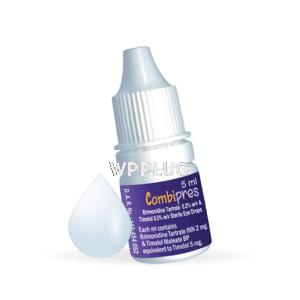
| Product dosage: 0.1/20 mg | |||
|---|---|---|---|
| Package (num) | Per pill | Price | Buy |
| 60 | $0.83 | $50.10 (0%) | 🛒 Add to cart |
| 120 | $0.73 | $100.19 $88.17 (12%) | 🛒 Add to cart |
| 270 | $0.61 | $225.44 $164.32 (27%) | 🛒 Add to cart |
| 360 | $0.56
Best per pill | $300.58 $202.39 (33%) | 🛒 Add to cart |
Synonyms | |||
Combipres: Effective Hypertension and ADHD Symptom Control
Combipres (clonidine hydrochloride and chlorthalidone) is a fixed-dose combination antihypertensive medication designed for the dual management of hypertension and attention deficit hyperactivity disorder (ADHD) symptoms in appropriate patient populations. This agent combines the central alpha-2 adrenergic agonist action of clonidine with the thiazide-like diuretic effect of chlorthalidone, offering a complementary mechanism for blood pressure reduction and neuro-modulation. Its use is reserved for cases where monotherapy provides insufficient control, providing a streamlined treatment regimen that can enhance adherence. Prescribing requires careful patient selection and monitoring due to its potent effects and potential side effect profile.
Features
- Fixed-dose combination of clonidine hydrochloride (0.1 mg, 0.2 mg, or 0.3 mg) and chlorthalidone (15 mg)
- Central alpha-2 adrenergic agonist and thiazide-like diuretic
- Available in scored tablet form for dose titration
- Typically administered twice daily for hypertension, up to three times daily for ADHD
- Generic versions are available
Benefits
- Provides dual-mechanism blood pressure control through vasodilation and volume reduction.
- Can reduce the pill burden for patients requiring multiple antihypertensive agents.
- Offers a non-stimulant option for managing ADHD symptoms, particularly in cases with co-morbid hypertension or tic disorders.
- The complementary actions of its components can lead to synergistic efficacy.
- The scored tablet allows for flexible dosing to find the optimal therapeutic window.
Common use
Combipres is primarily indicated for the treatment of hypertension. It is not indicated for initial therapy and is reserved for use in patients already stabilized on the individual components. It is also used off-label, under specialist supervision, for the management of ADHD, particularly in individuals who cannot tolerate or have contraindications to stimulant medications. Its use in ADHD often focuses on mitigating hyperactivity and impulsivity.
Dosage and direction
Dosage must be individualized based on patient response and tolerance. The usual recommended dose for hypertension is one tablet (0.1 mg/15 mg, 0.2 mg/15 mg, or 0.3 mg/15 mg) twice daily. The dosage may be increased gradually at weekly intervals. For ADHD, dosing is highly individualized and typically starts low, often with the 0.1 mg clonidine component, and is titrated slowly; administration can be twice or three times daily. Tablets should be taken with a full glass of water, with or without food. Abrupt discontinuation must be avoided.
Precautions
Patients should be monitored for orthostatic hypotension, especially during initial dose titration and periods of dose increase. Electrolyte levels (particularly potassium, sodium, and chloride) and renal function should be assessed at baseline and periodically during therapy, as hypokalemia, hyponatremia, and hypochloremic alkalosis can occur. Use with caution in patients with severe renal impairment, history of depression, or recent myocardial infarction. This drug may cause drowsiness or sedation; patients should be cautioned about operating machinery or driving until they know how the medication affects them.
Contraindications
Combipres is contraindicated in patients with a known hypersensitivity to clonidine, chlorthalidone, or other sulfonamide-derived drugs. It is also contraindicated in anuria (absence of urine formation) and in patients with demonstrated intolerance to thiazide or thiazide-like diuretics.
Possible side effect
Common side effects include dry mouth, drowsiness, sedation, dizziness, constipation, and fatigue. Other potential side effects include orthostatic hypotension, bradycardia, electrolyte imbalances (hypokalemia, hyponatremia), headache, nausea, and sexual dysfunction. Rebound hypertension can occur upon abrupt withdrawal. Less common but serious side effects include severe bradycardia, heart block, depression, and vivid dreams or nightmares.
Drug interaction
Concomitant use with other CNS depressants (e.g., alcohol, barbiturates, benzodiazepines, opioids) can potentiate sedative effects. It can potentiate the effects of other antihypertensive agents and beta-blockers. Tricyclic antidepressants may reduce the antihypertensive efficacy of clonidine. Use with drugs that affect cardiac conduction (e.g., digoxin, calcium channel blockers) requires caution due to additive effects on heart rate and AV block. Nonsteroidal anti-inflammatory drugs (NSAIDs) may reduce the diuretic and antihypertensive efficacy of chlorthalidone.
Missed dose
If a dose is missed, it should be taken as soon as remembered. However, if it is almost time for the next scheduled dose, the missed dose should be skipped and the regular dosing schedule resumed. Do not double the dose to make up for a missed one.
Overdose
Symptoms of overdose include profound hypotension, bradycardia, respiratory depression, hypothermia, drowsiness, diminished or absent reflexes, and vomiting. Gastric lavage and administration of activated charcoal may be considered. The primary treatment is supportive and symptomatic, focusing on maintaining adequate ventilation and cardiovascular support. Atropine can be used to treat bradycardia, and vasopressors may be required for hypotension. Tolazoline is a specific antidote for clonidine overdose.
Storage
Store at controlled room temperature, 20°C to 25°C (68°F to 77°F). Dispense in a tight, light-resistant container. Keep out of reach of children and pets. Do not use after the expiration date printed on the bottle.
Disclaimer
This information is for educational purposes only and is not a substitute for professional medical advice, diagnosis, or treatment. Always seek the advice of your physician or other qualified health provider with any questions you may have regarding a medical condition or before starting any new treatment. Never disregard professional medical advice or delay in seeking it because of something you have read here.
Reviews
“After struggling to control my blood pressure with a single agent, my cardiologist switched me to Combipres. The transition was smooth with careful monitoring, and my numbers have been consistently within goal for over a year now. The dry mouth was noticeable at first but has subsided.” — M.B., 62 “As a psychiatrist, I find the off-label use of the clonidine component in Combipres invaluable for certain adolescent ADHD patients with co-morbid aggression or sleep onset problems. It is not a first-line choice, but in complex cases, it is a powerful tool in our arsenal.” — Dr. A. Sharma, MD “The twice-daily dosing is much easier to remember than my previous three-pill regimen. I experienced some dizziness in the first week, but it resolved. Regular blood tests are a must, but it’s a small price to pay for controlled BP.” — R.L., 58