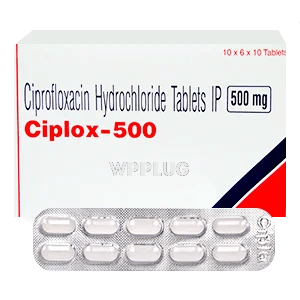
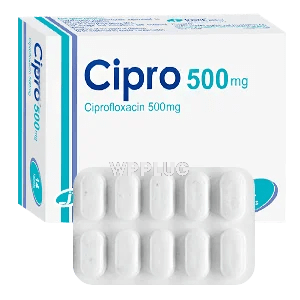
| Product dosage: 250mg | |||
|---|---|---|---|
| Package (num) | Per pill | Price | Buy |
| 90 | $0.45 | $40.40 (0%) | 🛒 Add to cart |
| 120 | $0.37 | $53.87 $44.44 (18%) | 🛒 Add to cart |
| 180 | $0.30 | $80.80 $54.54 (32%) | 🛒 Add to cart |
| 360 | $0.22
Best per pill | $161.60 $79.79 (51%) | 🛒 Add to cart |
| Product dosage: 500mg | |||
|---|---|---|---|
| Package (num) | Per pill | Price | Buy |
| 60 | $0.72 | $43.43 (0%) | 🛒 Add to cart |
| 90 | $0.55 | $65.14 $49.49 (24%) | 🛒 Add to cart |
| 120 | $0.46 | $86.86 $55.55 (36%) | 🛒 Add to cart |
| 180 | $0.38 | $130.29 $68.68 (47%) | 🛒 Add to cart |
| 270 | $0.32 | $195.44 $86.86 (56%) | 🛒 Add to cart |
| 360 | $0.29
Best per pill | $260.58 $105.04 (60%) | 🛒 Add to cart |
| Product dosage: 750mg | |||
|---|---|---|---|
| Package (num) | Per pill | Price | Buy |
| 30 | $1.99 | $59.59 (0%) | 🛒 Add to cart |
| 60 | $1.40 | $119.18 $83.83 (30%) | 🛒 Add to cart |
| 90 | $1.19 | $178.77 $107.06 (40%) | 🛒 Add to cart |
| 120 | $1.09 | $238.36 $131.30 (45%) | 🛒 Add to cart |
| 180 | $0.99 | $357.54 $178.77 (50%) | 🛒 Add to cart |
| 360 | $0.89
Best per pill | $715.08 $320.17 (55%) | 🛒 Add to cart |
Synonyms | |||
Similar products
Cipro: Potent Antibiotic for Severe Bacterial Infections
Cipro (ciprofloxacin) is a broad-spectrum fluoroquinolone antibiotic prescribed for treating serious bacterial infections. As a bactericidal agent, it works by inhibiting bacterial DNA gyrase and topoisomerase IV, effectively stopping bacterial replication. This medication is particularly valuable for combating gram-negative organisms and certain gram-positive pathogens where other antibiotics have failed or aren’t suitable. Healthcare providers rely on Cipro for its proven efficacy in treating complicated urinary tract infections, respiratory infections, and certain types of gastrointestinal infections.
Features
- Contains ciprofloxacin hydrochloride as the active ingredient
- Available in oral tablets (250 mg, 500 mg, 750 mg strengths) and intravenous formulations
- Rapid absorption with peak plasma concentrations achieved within 1-2 hours
- Excellent tissue penetration including prostate, lung, and skin
- Bactericidal activity against a wide spectrum of aerobic gram-positive and gram-negative microorganisms
Benefits
- Effectively treats serious bacterial infections when other antibiotics fail
- Rapid onset of action provides quicker symptom relief
- Comprehensive tissue penetration ensures infection site coverage
- Convenient twice-daily dosing improves patient compliance
- Proven efficacy in complicated infections including those with resistant organisms
- Available in both oral and IV formulations for flexible treatment approaches
Common use
Cipro is indicated for the treatment of adults with complicated urinary tract infections, including pyelonephritis; complicated intra-abdominal infections (in combination with metronidazole); acute bacterial sinusitis; acute exacerbations of chronic bronchitis; nosocomial pneumonia; skin and skin structure infections; bone and joint infections; infectious diarrhea; typhoid fever; uncomplicated cervical and urethral gonorrhea; and for post-exposure inhalation anthrax. It is also used for plague prophylaxis and treatment, and as empirical therapy in febrile neutropenic patients.
Dosage and direction
The dosage of Cipro varies based on the type and severity of infection, renal function, and patient characteristics. For most infections in adults with normal renal function, the typical oral dose is 250-750 mg every 12 hours. The duration of treatment ranges from 7 to 14 days depending on the infection type, though some conditions may require longer therapy. Intravenous administration is typically 400 mg every 12 hours. Dosage adjustment is necessary for patients with renal impairment (creatinine clearance <50 mL/min). Cipro should be taken at least 2 hours before or 6 hours after antacids containing magnesium, aluminum, calcium, or iron supplements. Patients should maintain adequate hydration and complete the full course of therapy even if symptoms improve.
Precautions
Patients should be advised that Cipro may cause dizziness and lightheadedness; therefore, caution is advised when driving or operating machinery. Tendon inflammation or rupture may occur during or after therapy, particularly in elderly patients, those with renal impairment, or those taking corticosteroids. Cipro may prolong the QT interval in some patients, increasing the risk of ventricular arrhythmias. Photosensitivity reactions may occur; patients should avoid excessive sunlight and ultraviolet light exposure. Blood glucose disturbances have been reported, particularly in diabetic patients. Peripheral neuropathy may occur and can be irreversible. Patients should immediately report tendon pain, muscle weakness, tingling, numbness, or central nervous system effects.
Contraindications
Cipro is contraindicated in patients with known hypersensitivity to ciprofloxacin or other quinolones. Concurrent administration with tizanidine is contraindicated due to potentiated hypotensive and sedative effects. Use is contraindicated in patients with a history of tendon disorders related to fluoroquinolone administration. The drug should not be used in pediatric patients (except for specific indications like complicated UTI or pyelonephritis) and growing adolescents due to potential effects on cartilage development. Patients with known QT prolongation, uncorrected hypokalemia, or those taking medications that prolong the QT interval should avoid Cipro.
Possible side effect
Common side effects include nausea (3-5%), diarrhea (2-3%), headache (1-2%), dizziness (1-2%), and abdominal pain/discomfort (1-2%). Less frequent but more serious adverse reactions include tendonitis and tendon rupture (particularly Achilles tendon), peripheral neuropathy, central nervous system effects (seizures, increased intracranial pressure, psychosis), QT interval prolongation, hepatotoxicity, photosensitivity, blood glucose disturbances, and Clostridium difficile-associated diarrhea. Hematologic effects may include leukopenia, eosinophilia, and neutropenia. Hypersensitivity reactions ranging from rash to anaphylaxis may occur.
Drug interaction
Cipro interacts significantly with multiple medications. It increases theophylline concentrations, requiring dosage adjustment and monitoring. Concurrent use with warfarin may enhance anticoagulant effects, necessitating close INR monitoring. Cipro reduces caffeine clearance and may enhance CNS stimulant effects. Antacids, sucralfate, metal cations (iron, zinc), and multivitamins containing minerals significantly reduce absorption when taken concurrently. QT-prolonging drugs (antiarrhythmics, antipsychotics, antidepressants) may have additive effects on cardiac repolarization. Nonsteroidal anti-inflammatory drugs may increase the risk of CNS stimulation and seizures. Cipro may enhance effects of oral hypoglycemics and require blood glucose monitoring.
Missed dose
If a dose is missed, it should be taken as soon as remembered unless it is almost time for the next scheduled dose. In that case, the missed dose should be skipped and the regular dosing schedule resumed. Patients should not take a double dose to make up for a missed one. Maintaining consistent antibiotic levels is important for effectiveness, so patients should try to adhere to the prescribed schedule. Setting reminders or using pill organizers can help maintain proper dosing intervals.
Overdose
In case of overdose, symptomatic treatment should be instituted with ECG monitoring due to potential QT prolongation. Adequate hydration should be maintained. Renal elimination may be increased by acidifying the urine, though this should be done with caution. Hemodialysis or peritoneal dialysis removes only small amounts (less than 10%) of ciprofloxacin. Management should include gastric lavage if ingestion was recent, followed by close observation and supportive measures. Specific antidotes are not available. Patients should be monitored for CNS stimulation, renal toxicity, and hepatotoxicity. Seizures may require benzodiazepine administration.
Storage
Cipro tablets should be stored at room temperature (15-30°C or 59-86°F) in their original container, protected from light and moisture. The medication should be kept out of reach of children and pets. Do not store in bathroom cabinets where humidity may affect stability. Do not use tablets that are discolored or show signs of deterioration. Intravenous solutions should be stored according to manufacturer recommendations and used within specified time frames after preparation. Unused medication should be properly disposed of according to local regulations, not flushed down toilets or drains.
Disclaimer
This information is for educational purposes only and does not constitute medical advice. Cipro is a prescription medication that should only be used under the supervision of a qualified healthcare professional. The prescribing physician will determine the appropriate dosage and duration based on individual patient factors. Patients should not self-medicate or adjust dosages without medical consultation. While every effort has been made to ensure accuracy, medical knowledge evolves and this information may not reflect the most current research or prescribing guidelines.
Reviews
Clinical studies demonstrate Cipro’s efficacy with success rates of 85-95% for various infections when used appropriately. Many physicians report positive outcomes in treating resistant infections, particularly noting its value in complicated UTIs and respiratory infections. Some patients report rapid symptom improvement within 24-48 hours of initiation. However, healthcare providers increasingly exercise caution due to the risk of serious adverse effects, particularly tendon damage and neurological effects. The medical community continues to debate the risk-benefit ratio, with many reserving Cipro for cases where alternative antibiotics are not suitable or have failed. Patient experiences vary widely, with some reporting complete resolution of infections while others describe significant side effects that required discontinuation.