

Azithromycin DT: Effective Bacterial Infection Treatment
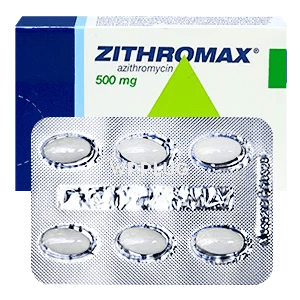
Azithromycin Dispersible Tablets (DT) represent a significant advancement in antibiotic therapy, offering a convenient and highly bioavailable formulation of the widely trusted macrolide antibiotic, azithromycin. This dispersible tablet is designed to disintegrate rapidly in a small amount of water, forming a easy-to-swallow suspension, making it an excellent option for patients who have difficulty swallowing conventional solid oral dosage forms, including pediatric and geriatric populations. Its mechanism of action involves binding to the 50S ribosomal subunit of susceptible bacteria, inhibiting RNA-dependent protein synthesis, which results in a potent bacteriostatic effect against a broad spectrum of gram-positive, gram-negative, and atypical pathogens. The unique pharmacokinetic profile of azithromycin, characterized by extensive tissue penetration and a long elimination half-life, allows for shorter treatment courses, typically 3 to 5 days, enhancing patient compliance and reducing the overall burden of therapy.
Features
- Active Ingredient: Azithromycin dihydrate, a semi-synthetic macrolide antibiotic.
- Dosage Form: Dispersible tablet, designed to disintegrate in water within 3 minutes for oral administration as a suspension.
- Available Strengths: Commonly available in 250 mg and 500 mg strengths.
- Pharmacokinetics: Exhibits extensive tissue distribution, with tissue concentrations significantly higher than serum levels, and a prolonged terminal elimination half-life of approximately 68 hours.
- Spectrum of Activity: Effective against a wide range of organisms including Streptococcus pneumoniae, Haemophilus influenzae, Moraxella catarrhalis, Staphylococcus aureus (methicillin-susceptible), Chlamydia trachomatis, and Mycoplasma pneumoniae.
- Storage: Store below 30°C in a dry place, protected from light and moisture.
Benefits
- Enhanced Patient Compliance: The short, typically 3-day course of therapy and easy-to-administer dispersible form significantly improve adherence to treatment regimens.
- High Efficacy: Demonstrates potent bactericidal activity against common community-acquired pathogens, leading to rapid resolution of symptoms.
- Superior Tissue Penetration: Achieves high and sustained concentrations at the site of infection, particularly in the respiratory tract, skin, and soft tissues, ensuring effective eradication of pathogens.
- Favorable Safety Profile: Generally well-tolerated in both adult and pediatric populations, with a lower incidence of gastrointestinal side effects compared to other macrolides like erythromycin.
- Convenient Dosing: The once-daily dosing schedule simplifies treatment and fits easily into patient routines.
- Flexible Administration: The ability to be taken with or without food provides flexibility for patients, although administration 1 hour before or 2 hours after meals may optimize absorption.
Common use
Azithromycin DT is indicated for the treatment of mild to moderate infections caused by susceptible strains of designated microorganisms. Its primary uses include:
- Upper Respiratory Tract Infections: Such as pharyngitis/tonsillitis (caused by Streptococcus pyogenes) and acute bacterial sinusitis.
- Lower Respiratory Tract Infections: Including community-acquired pneumonia (caused by S. pneumoniae, H. influenzae, C. pneumoniae, M. pneumoniae) and acute bacterial exacerbations of chronic obstructive pulmonary disease (COPD).
- Skin and Skin Structure Infections: Such as uncomplicated skin infections (e.g., cellulitis, erysipelas) due to S. aureus, S. pyogenes, or S. agalactiae.
- Sexually Transmitted Diseases: For the treatment of uncomplicated genital infections due to Chlamydia trachomatis and for chancroid (Haemophilus ducreyi).
- Mycobacterial Infections: Used as part of combination therapy for the prophylaxis and treatment of Mycobacterium avium complex (MAC) disease in patients with advanced HIV infection.
Dosage and direction
Dosage is based on the type and severity of the infection, as well as patient-specific factors like renal function. The following are general guidelines for adults and children. The tablet should be dispersed in a small amount of water (approximately 50 mL) and stirred. The entire suspension should be consumed immediately. It can be taken without regard to meals, but taking it on an empty stomach (1 hour before or 2 hours after a meal) may be advised to maximize bioavailability in some cases.
For Adults (infections other than sexually transmitted diseases):
- The usual dose is 500 mg (one 500 mg tablet or two 250 mg tablets) as a single daily dose on the first day, followed by 250 mg daily on days 2 through 5. The total course dose is 1.5 grams.
- For acute bacterial exacerbations of COPD and community-acquired pneumonia, a 500 mg single daily dose for 3 days is also a common regimen.
For Genital Ulcer Disease (Chancroid) or Chlamydial Infections:
- A single, one-time dose of 1 gram (two 500 mg tablets) is standard.
For Pediatric Patients (≥6 months of age):
- Dosing is based on body weight. For otitis media and community-acquired pneumonia, the recommended dose is 10 mg/kg on day 1 (not to exceed 500 mg) followed by 5 mg/kg on days 2 through 5 (not to exceed 250 mg per day).
- For pharyngitis/tonsillitis, the recommended dose is 12 mg/kg once daily for 5 days (not to exceed 500 mg per day).
Patients with Renal Impairment:
- No dosage adjustment is necessary for patients with mild to moderate renal impairment (GFR ≥10 mL/min). Caution is advised in patients with severe renal impairment (GFR <10 mL/min), though no specific recommendation exists; monitoring is prudent.
Precautions
- Clostridium difficile-Associated Diarrhea (CDAD): Antibiotic use, including azithromycin, can disrupt colon flora and may result in overgrowth of C. difficile, leading to CDAD, which can range from mild diarrhea to fatal colitis. This can occur even weeks after antibiotic therapy has concluded.
- Hepatotoxicity: Discontinue use immediately if signs and symptoms of hepatitis, such as fatigue, malaise, jaundice, or dark urine, occur.
- Prolongation of QT Interval: Azithromycin has been associated with prolongation of the QT interval and rare cases of arrhythmias, including torsades de pointes. Use with caution in patients with known risk factors for QT prolongation (e.g., congenital long QT syndrome, concomitant use of other QT-prolonging drugs, electrolyte imbalances, clinically significant bradycardia).
- Exacerbation of Myasthenia Gravis: Has been associated with exacerbation of symptoms or new onset of myasthenia gravis.
- Bacterial Resistance: Prescribing antibiotics in the absence of a proven or strongly suspected bacterial infection is unlikely to provide benefit and increases the risk of developing drug-resistant bacteria.
Contraindications
Azithromycin DT is contraindicated in patients with:
- Known hypersensitivity to azithromycin, erythromycin, or any other macrolide or ketolide antibiotics.
- A history of cholestatic jaundice/hepatic dysfunction associated with prior use of azithromycin.
Possible side effect
Most side effects are mild to moderate in severity and are often gastrointestinal in nature. Common adverse reactions (incidence >1%) include:
- Diarrhea/loose stools (most common)
- Nausea
- Abdominal pain
- Vomiting
- Flatulence
Less common but more serious side effects can occur:
- Allergic Reactions: Skin rashes, pruritus, photosensitivity, and rarely, severe reactions like angioedema and anaphylaxis.
- Cardiovascular: Palpitations, chest pain, QT prolongation on ECG.
- Hepatic: Hepatitis, cholestatic jaundice, elevated liver enzymes (ALT, AST).
- Nervous System: Headache, dizziness, vertigo, somnolence.
- Special Senses: Hearing disturbances, including hearing loss, tinnitus, or vertigo (usually reversible upon discontinuation).
Drug interaction
Azithromycin has the potential to interact with several other medications:
- Nelfinavir: Coadministration significantly increases azithromycin serum concentrations. Close monitoring for known side effects (e.g., hepatotoxicity, hearing loss) is advised.
- Warfarin: Potentiation of anticoagulant effect and increased INR have been reported. Monitor INR closely in patients taking both drugs.
- Other QT-Prolonging Agents: Concurrent use with drugs such as antiarrhythmics (e.g., amiodarone, quinidine, sotalol), fluoroquinolones, antipsychotics (e.g., pimozide), and others may additive effects on QT prolongation and increase the risk of cardiac arrhythmia.
- Digoxin: Azithromycin may alter gut flora and potentially increase the bioavailability of digoxin, increasing the risk of digoxin toxicity. Monitor digoxin levels.
- Cyclosporine: Coadministration in transplant patients has resulted in increased cyclosporine concentrations. Monitor cyclosporine levels and renal function.
Missed dose
If a dose is missed, it should be taken as soon as it is remembered on the same day. If it is almost time for the next scheduled dose, the missed dose should be skipped, and the regular dosing schedule resumed. Do not take a double dose to make up for the missed one. Maintaining the prescribed timing is important to keep constant drug levels in the body for optimal efficacy.
Overdose
Symptoms of overdose would be an extension of the known adverse effects, primarily severe nausea, vomiting, diarrhea, and transient hearing loss. In cases of suspected overdose, symptomatic and supportive care is indicated. Gastric lavage may be considered if performed soon after ingestion. As azithromycin is not significantly removed by hemodialysis or peritoneal dialysis, these are not expected to be beneficial in overdose management.
Storage
- Store in the original packaging (blister or bottle) below 30°C (86°F).
- Protect from light and moisture.
- Keep out of reach of children.
- Do not use after the expiration date printed on the packaging.
- Once a tablet is dispersed in water, the suspension should be consumed immediately and not stored for later use.
Disclaimer
This information is intended for educational and informational purposes only and is not a substitute for professional medical advice, diagnosis, or treatment. Always seek the advice of your physician or other qualified health provider with any questions you may have regarding a medical condition or before starting any new treatment. Never disregard professional medical advice or delay in seeking it because of something you have read here. The content has been compiled from various scientific sources but may not encompass the latest research or all possible information. The manufacturer’s official prescribing information should always be consulted for the most complete and updated data.
Reviews
(Clinical perspective summary) Azithromycin DT is consistently rated highly in clinical practice for its efficacy, tolerability, and patient-friendly profile. Its broad spectrum of activity and convenient dosing regimen make it a first-line choice for many common community-acquired infections. Healthcare professionals appreciate its role in improving compliance, especially in pediatric and elderly patients who benefit from the dispersible formulation. While gastrointestinal events are the most frequently reported adverse effects, they are generally mild and self-limiting. The drug’s established safety profile and proven track record in treating a variety of bacterial pathogens solidify its position as a valuable tool in the antimicrobial arsenal.