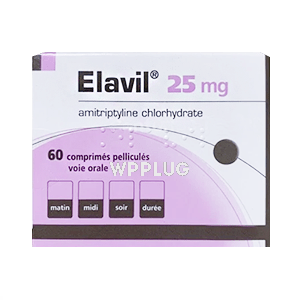
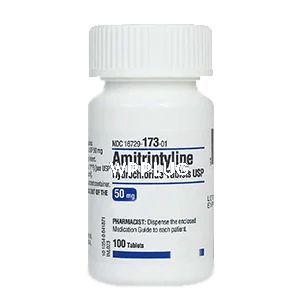
| Product dosage: 50mg | |||
|---|---|---|---|
| Package (num) | Per pill | Price | Buy |
| 90 | $0.46 | $41.20 (0%) | 🛒 Add to cart |
| 120 | $0.41 | $54.94 $49.24 (10%) | 🛒 Add to cart |
| 180 | $0.37 | $82.40 $66.33 (20%) | 🛒 Add to cart |
| 270 | $0.34 | $123.61 $91.45 (26%) | 🛒 Add to cart |
| 360 | $0.32
Best per pill | $164.81 $114.56 (30%) | 🛒 Add to cart |
Synonyms | |||

Amitriptyline: Effective Relief for Chronic Pain and Depression
Amitriptyline is a tricyclic antidepressant (TCA) with a well-established profile for managing major depressive disorder and a range of chronic pain conditions. Its dual-action mechanism modulates serotonin and norepinephrine reuptake, offering both central and peripheral benefits. This medication is particularly valued in neurological and psychiatric practice for its efficacy in neuropathic pain and treatment-resistant depression. Proper patient selection, dosing titration, and monitoring are essential to maximize therapeutic outcomes while minimizing adverse effects.
Features
- Chemical class: Tricyclic antidepressant (dibenzocycloheptadine derivative)
- Available formulations: Oral tablets (10 mg, 25 mg, 50 mg, 75 mg, 100 mg, 150 mg)
- Mechanism of action: Potent serotonin and norepinephrine reuptake inhibition; also exhibits anticholinergic, antihistaminic, and alpha-1 adrenergic blocking properties
- Bioavailability: ~30–60% following oral administration
- Half-life: 10–28 hours (permits once-daily dosing)
- Metabolism: Hepatic, primarily via CYP2D6 and CYP2C19; active metabolite (nortriptyline)
Benefits
- Provides significant relief from neuropathic pain conditions, including diabetic neuropathy and postherpetic neuralgia
- Effective in managing major depressive disorder, especially in cases resistant to first-line SSRIs
- Improves sleep architecture due to sedative properties, beneficial for patients with comorbid insomnia
- Offers prophylactic benefits for chronic tension-type and migraine headaches
- May reduce symptoms of functional gastrointestinal disorders like irritable bowel syndrome
- Cost-effective compared to many newer antidepressant and neuromodulatory agents
Common use
Amitriptyline is FDA-approved for the treatment of depression, but it is widely used off-label for numerous conditions due to its neuromodulatory and analgesic properties. Common indications include neuropathic pain (e.g., peripheral neuropathy, fibromyalgia), migraine prophylaxis, and tension-type headache prevention. It is also utilized in managing functional disorders such as irritable bowel syndrome and interstitial cystitis. In psychiatric practice, it is often reserved for treatment-resistant depression or cases where sedation is desirable.
Dosage and direction
Dosage must be individualized based on indication, patient response, and tolerability. For depression, initial dosing is typically 25–50 mg orally at bedtime, titrated upward by 25 mg every 3–7 days to a target range of 75–150 mg daily. For neuropathic pain or migraine prophylaxis, lower doses (10–50 mg nightly) are often effective. Elderly patients and those with hepatic impairment should start at lower doses (e.g., 10 mg). Administration at bedtime is recommended to capitalize on sedative effects and mitigate daytime drowsiness. Full therapeutic effect may take 4–6 weeks.
Precautions
Use with caution in patients with cardiovascular disease, due to risk of orthostatic hypotension, tachycardia, and QTc prolongation. Monitor for emergence of suicidal ideation, particularly in adolescents and young adults. Avoid abrupt discontinuation to prevent withdrawal symptoms. Amitriptyline may impair alertness; advise against driving or operating machinery until response is known. Regular liver function tests and ECG monitoring are advisable in long-term use, especially in high-risk populations.
Contraindications
Hypersensitivity to amitriptyline or other TCAs; concomitant use with monoamine oxidase inhibitors (MAOIs) or within 14 days of discontinuing MAOI therapy; during acute recovery phase after myocardial infarction; in patients with uncontrolled narrow-angle glaucoma or severe urinary retention.
Possible side effect
Common: Sedation, dry mouth, blurred vision, constipation, weight gain, orthostatic hypotension.
Less common: Urinary retention, increased intraocular pressure, confusion (especially in elderly), hyponatremia.
Serious: QTc prolongation, arrhythmias, seizures, serotonin syndrome (especially with other serotonergic drugs), neuroleptic malignant syndrome (rare), hepatotoxicity.
Drug interaction
- MAOIs: Risk of serotonin syndrome and hypertensive crisis
- SSRIs/SNRIs: Increased serotonergic effects
- CYP2D6 inhibitors (e.g., fluoxetine, paroxetine): Elevated amitriptyline levels
- Anticholinergics: Additive adverse effects
- Antihypertensives: Potentiated hypotension
- CNS depressants (e.g., alcohol, benzodiazepines): Enhanced sedation
- Warfarin: Possible increased anticoagulant effect
Missed dose
If a dose is missed, it should be taken as soon as remembered unless it is close to the next scheduled dose. Doubling the dose is not recommended. Maintain regular dosing schedule to ensure stable plasma concentrations.
Overdose
Symptoms include severe drowsiness, confusion, hallucinations, tachycardia, hypotension, respiratory depression, seizures, and cardiac arrhythmias. Management is supportive: gastric lavage or activated charcoal if presented early; ECG monitoring for QTc prolongation and arrhythmias; benzodiazepines for seizures; IV fluids and vasopressors for hypotension. Sodium bicarbonate may be used for QRS widening. Contact poison control immediately.
Storage
Store at room temperature (15–30°C), protected from light and moisture. Keep out of reach of children and pets. Dispose of unused medication via take-back programs or according to local regulations.
Disclaimer
This information is for educational purposes and does not replace professional medical advice. Always consult a healthcare provider for diagnosis, treatment decisions, and personalized dosing. Do not initiate or discontinue amitriptyline without medical supervision.
Reviews
Amitriptyline receives mixed but generally positive expert reviews for its efficacy in neuropathic pain and treatment-resistant depression. Clinicians appreciate its cost-effectiveness and dual benefits in pain and mood disorders, though its side effect profile necessitates careful patient selection. Many note that lower doses for pain management are often better tolerated than higher antidepressant doses. Long-term adherence can be challenging due to anticholinergic effects, but for appropriate patients, it remains a valuable therapeutic option.