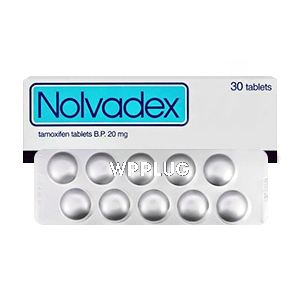

| Product dosage: 20mg | |||
|---|---|---|---|
| Package (num) | Per pill | Price | Buy |
| 60 | $0.72 | $43.16 (0%) | 🛒 Add to cart |
| 90 | $0.67 | $64.74 $60.22 (7%) | 🛒 Add to cart |
| 120 | $0.64 | $86.32 $76.28 (12%) | 🛒 Add to cart |
| 180 | $0.61 | $129.48 $109.41 (16%) | 🛒 Add to cart |
| 270 | $0.59 | $194.23 $159.60 (18%) | 🛒 Add to cart |
| 360 | $0.58
Best per pill | $258.97 $209.78 (19%) | 🛒 Add to cart |
Synonyms
| |||
Similar products
Tamoxifen: Effective Estrogen Receptor Modulation in Breast Cancer
Tamoxifen citrate is a selective estrogen receptor modulator (SERM) widely utilized in the management of hormone receptor-positive breast cancer. It functions as an antagonist in breast tissue, competitively inhibiting estrogen binding to its receptors, thereby impeding the proliferation of malignant cells. This agent represents a cornerstone in both adjuvant and metastatic settings, offering significant survival benefits and risk reduction in appropriately selected patient populations. Its well-established efficacy profile and extensive clinical experience make it a first-line therapeutic option for pre- and postmenopausal women.
Features
- Chemical name: (Z)-2-[4-(1,2-Diphenylbut-1-enyl)phenoxy]-N,N-dimethylethanamine
- Molecular formula: C₂₆H₂₉NO
- Standard presentation: 10 mg and 20 mg film-coated tablets
- Therapeutic classification: Selective estrogen receptor modulator (SERM)
- Bioavailability: Approximately 100% following oral administration
- Half-life: 5–7 days for primary metabolite (endoxifen)
- Metabolism: Hepatic, primarily via CYP2D6 and CYP3A4
- Excretion: Primarily fecal (65%), with renal elimination accounting for remainder
Benefits
- Demonstrates significant reduction in recurrence rates for early-stage hormone receptor-positive breast cancer
- Provides effective risk reduction in high-risk patients without established disease
- Offers survival advantage in metastatic hormone-sensitive breast cancer management
- Serves as effective chemoprevention in women with elevated breast cancer risk
- Maintains bone mineral density in premenopausal women during treatment
- Presents favorable long-term safety profile with decades of clinical experience
Common use
Tamoxifen is primarily indicated for the treatment of hormone receptor-positive breast cancer across multiple clinical scenarios. In adjuvant settings, it is prescribed following primary treatment (surgery, radiation, chemotherapy) to reduce the risk of recurrence. For metastatic disease, it provides systemic control of estrogen-sensitive tumors. Additionally, it is approved for risk reduction in women with high-risk lesions (such as lobular carcinoma in situ) or those with significant family history and elevated Gail model scores. Off-label applications include management of gynecomastia and McCune-Albright syndrome in specific patient populations.
Dosage and direction
The standard adult dosage for breast cancer treatment is 20 mg orally once daily, though some protocols may utilize 40 mg daily in divided doses. For risk reduction, 20 mg daily remains the standard. Administration should occur at approximately the same time each day, with or without food, though consistency is recommended. Tablets should be swallowed whole with water and not crushed or chewed. Duration of therapy typically spans 5–10 years based on individual risk assessment and clinical guidelines. Treatment continuation beyond 5 years requires careful benefit-risk evaluation considering menopausal status and bone health.
Precautions
Patients should undergo comprehensive ophthalmologic examination at baseline and periodically during therapy due to potential retinal changes and cataract formation. Regular gynecologic assessments are mandatory to monitor endometrial changes, with prompt evaluation of any abnormal vaginal bleeding. Liver function tests should be performed periodically, particularly during the first year of treatment. Bone mineral density monitoring is recommended, especially in premenopausal women, as treatment may accelerate bone loss. Patients should be advised regarding potential fertility implications and contraceptive requirements during therapy.
Contraindications
Tamoxifen is contraindicated in patients with known hypersensitivity to tamoxifen citrate or any component of the formulation. Concurrent administration with warfarin requires extreme caution and frequent monitoring due to potentiation of anticoagulant effect. It is contraindicated in women who are pregnant or may become pregnant due to potential fetal harm, and appropriate contraception must be maintained during treatment. Use should be avoided in patients with history of deep vein thrombosis or pulmonary embolism unless potential benefits substantially outweigh risks.
Possible side effect
Common adverse reactions (>10%) include hot flashes (35-50%), vaginal discharge and dryness (10-20%), and nausea (10-15%). Moderate frequency effects (1-10%) encompass menstrual irregularities, fatigue, skin rash, and headache. Serious but less frequent complications (<1%) include venous thromboembolism, endometrial cancer, stroke, and cataract formation. Laboratory abnormalities may include elevated liver enzymes, hypertriglyceridemia, and reduced platelet counts. Most side effects are dose-dependent and often diminish with continued therapy, though some persist throughout treatment duration.
Drug interaction
Tamoxifen demonstrates significant interactions with medications affecting CYP2D6 metabolism. Strong CYP2D6 inhibitors (fluoxetine, paroxetine, bupropion) may reduce endoxifen concentrations by 60-80%, potentially compromising efficacy. Warfarin coadministration increases anticoagulant effect requiring frequent INR monitoring. Aromatase inhibitors should not be administered concurrently due to theoretical antagonism. Drugs inducing CYP3A4 (rifampin, carbamazepine) may reduce tamoxifen concentrations, while inhibitors may increase levels. Estrogen-containing products should generally be avoided due to potential interference with therapeutic mechanism.
Missed dose
If a dose is missed, it should be taken as soon as remembered unless it is nearly time for the next scheduled dose. In such cases, the missed dose should be skipped, and the regular dosing schedule resumed. Patients should not double the dose to make up for missed medication. Consistency in daily timing is important for maintaining stable drug levels, though minor variations (within few hours) are generally acceptable. Extended missed doses (≥48 hours) should be discussed with the prescribing physician to determine appropriate management strategy.
Overdose
Acute overdose may manifest as tremor, hyperreflexia, unsteady gait, dizziness, and nausea. There is no specific antidote for tamoxifen overdose. Management consists of supportive care and symptomatic treatment. Gastric lavage may be considered if presentation occurs within 1-2 hours of ingestion. Activated charcoal administration can be effective in reducing absorption. Cardiac monitoring is recommended due to potential QT prolongation effects. Hemodialysis is not expected to be effective given extensive protein binding and large volume of distribution. Cases of intentional overdose require psychiatric evaluation in addition to medical management.
Storage
Store at controlled room temperature (20-25°C/68-77°F) with excursions permitted between 15-30°C (59-86°F). Protect from light and moisture. Keep in original container with tight closure. Do not transfer to alternative containers that may not provide adequate protection. Keep out of reach of children and pets. Do not use beyond the expiration date printed on packaging. Properly dispose of unused medication through drug take-back programs or according to local regulations.
Disclaimer
This information is provided for educational purposes only and does not constitute medical advice. Treatment decisions should be made exclusively by qualified healthcare professionals based on individual patient characteristics. Dosage and administration may vary based on specific clinical circumstances. Patients should consult their prescribing physician regarding any questions about their medication. The manufacturer and distributor assume no liability for any outcomes resulting from use of this information.
Reviews
Clinical studies consistently demonstrate tamoxifen’s efficacy in reducing breast cancer recurrence by approximately 40-50% in hormone receptor-positive disease. The NSABP B-14 trial established the 5-year adjuvant benefit, while the ATLAS trial confirmed additional risk reduction with extended 10-year therapy. Meta-analyses by the Early Breast Cancer Trialists’ Collaborative Group confirm significant mortality reduction across all age groups. Patient-reported outcomes indicate generally good tolerability, though vasomotor symptoms and sexual side effects remain challenging for some individuals. Long-term safety data from multiple trials support its favorable risk-benefit profile in appropriate patient populations.